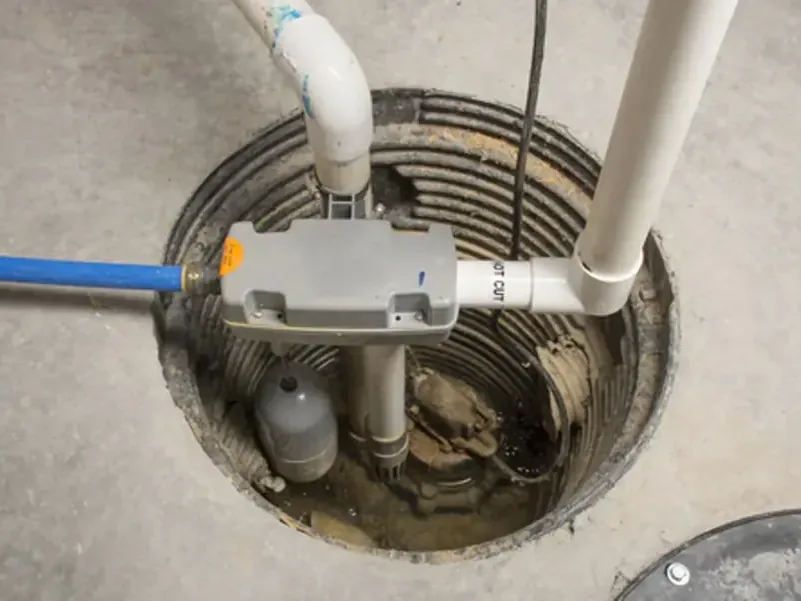
After the September 2013 flood, the town reviewed damage in the Sagamore neighborhood (171 homes) and in Original Town (114 homes). For homes that use a sump pump, a failure during heavy rain is the kind of event that turns a wet week into a flooded lower level.
Key takeaways
- A pump can fail from power loss, a stuck float, a clogged intake or a worn motor.
- Water in the pit is a warning; once it rises over the floor, the lower level is at risk.
- Power and standing water are dangerous together, so safety comes before cleanup.
- Extraction first, then measured drying, with soaked pad and soft drywall usually removed.
- Tell the insurer early and keep photos and dates.
Creek history and why drainage matters
Coal Creek runs through Original Town, and some Original Town homes still sit on the floodplain. Rock Creek is a second creek that flooded in September 2013.
During that flood Coal Creek overflowed and lapped at the front steps of Superior Town Hall. Flood damage was mainly localized to Rock Creek, Coal Creek and Old Town Superior, and the town estimated roughly $200,000 to $300,000 in damage to public property.
The town's public works director worked on Coal Creek corridor improvements to reduce the floodplain through Original Town. Those projects can help, but a house still depends on its own drainage when heavy rain arrives.
- Coal Creek runs through Original Town
- Some Original Town homes sit on the floodplain
- Rock Creek also flooded in September 2013
- Damage was mainly in Rock Creek, Coal Creek and Old Town Superior
How a sump pump system works
A sump pump sits in a pit and moves water out of the house when the level rises. A float switch turns the pump on, and a discharge pipe carries the water away from the foundation.
The system only works when power, float, pump and discharge all work. A failure in any one of them means water can rise over the top of the pit.
Common causes of failure
Power loss during a storm is a leading cause, since the same weather that raises the water can knock out electricity. A float that sticks or a pump clogged with debris is another.
Age also matters. A pump that has run for many seasons can wear out just when it is needed most.
- Power outage during a storm
- Stuck or tangled float
- Clogged intake screen
- Blocked or frozen discharge pipe
- Worn motor or switch
Warning signs
A pump that runs constantly, makes grinding sounds or does not start can signal a problem. Water standing in the pit during a dry spell is another.
- Loud grinding or rattling
- Pump running without stopping
- Water in the pit that does not go down
- Pit cover wet or damp
What to do when the pump fails and water rises
Safety comes first. Power and water together are dangerous, so electrical power to the area should be turned off only from a dry spot, or left to an electrician.
If the pit is overflowing, move belongings to a dry area and photograph the water. A bucket and towels can slow a small flow, but a large flow needs extraction.
- Turn off power to the area only from a dry spot
- Move valuables to a dry level
- Photograph the pit, the water and the damage
- Clear debris from the discharge if it can be reached safely
- Contact a restoration company and the insurer
How the crew removes the water
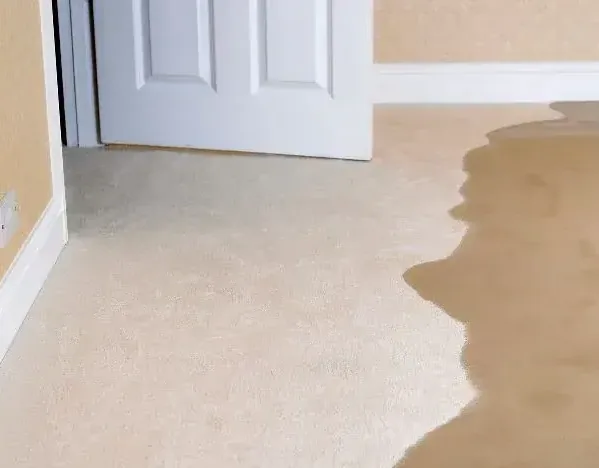
The crew pulls standing water with truck-mounted and portable units and removes soaked pad and soft drywall. Water from a sump overflow may carry soil, so surfaces are cleaned before drying.
More detail is on the sump pump failure cleanup page and the basement flooding cleanup page. For general steps, the sump pump failure cleanup service page explains the full process.
- Standing water extracted
- Soaked pad and soft drywall removed
- Surfaces cleaned
- Cavities opened where water reached
- Moisture readings logged
Drying and getting the pump fixed
After extraction, air movers and dehumidifiers bring the remaining moisture out of framing, drywall and concrete. The crew takes readings at each visit and drying stops when they match dry reference materials.
The pump itself should be tested or replaced before the next storm. A backup pump or a battery backup can protect against power loss, and a plumber can advise on the right setup.
The same rule applies to a finished lower level. Carpet, trim and drywall can look fine on the surface while the framing behind them still holds water.
After the water is out
A pump that failed once can fail again, so repairs should not stop at the cleanup. A plumber can test the float, clean the intake and check the discharge, and a battery backup or a second pump can add protection.
Water alarms placed low on a wall or on the floor near the pit give an early warning. They cost little and can catch a rising pit before the water reaches finished space.
Drying a lower level also means checking the items stored there. Boxes on the floor soak up water quickly, and papers or photographs may need to be dried or copied before they are lost.
- Test the pump before each wet season
- Place a water alarm near the pit
- Store boxes on shelves, not directly on the floor
- Keep the pump's model and install date on file
Records and costs
Photos, dates and a note of the cause help with a claim. Water that rises from outside and water that comes from a failed pump may be treated differently by insurers, so the policy should be read and the insurer asked directly.
Pricing printed on the service page for sump pump failure cleanup is printed as ranges: unfinished floor $1,000 to $3,000, finished basement $3,000 to $7,000 and long or mixed water $7,000 to $14,000.
- Photos of the pit and the water
- Date and time of the failure
- Pump age and model if known
- List of damaged items
Questions
What makes a sump pump fail?
Power loss, a stuck float, a clogged intake, a blocked discharge pipe or a worn motor are the usual causes.
Is Coal Creek the only flood risk in town?
No. Rock Creek also flooded in September 2013, and damage was mainly localized to Rock Creek, Coal Creek and Old Town Superior.
Can a battery backup help?
It can keep a pump running during a power outage, and a plumber can advise on the right setup.
Should wet drywall be removed?
If it is soft or soaked, yes. The crew uses a moisture meter to decide what stays.
Who should be told after a failure?
The insurer should be told early, and the restoration company can help with documentation.