Water Damage Restoration Brighton, CO
Burst pipes, failed sump pumps, sewage backups and storm water get pulled out and dried in local homes by crews that log moisture readings until walls, floors and framing reach a measured dry standard.
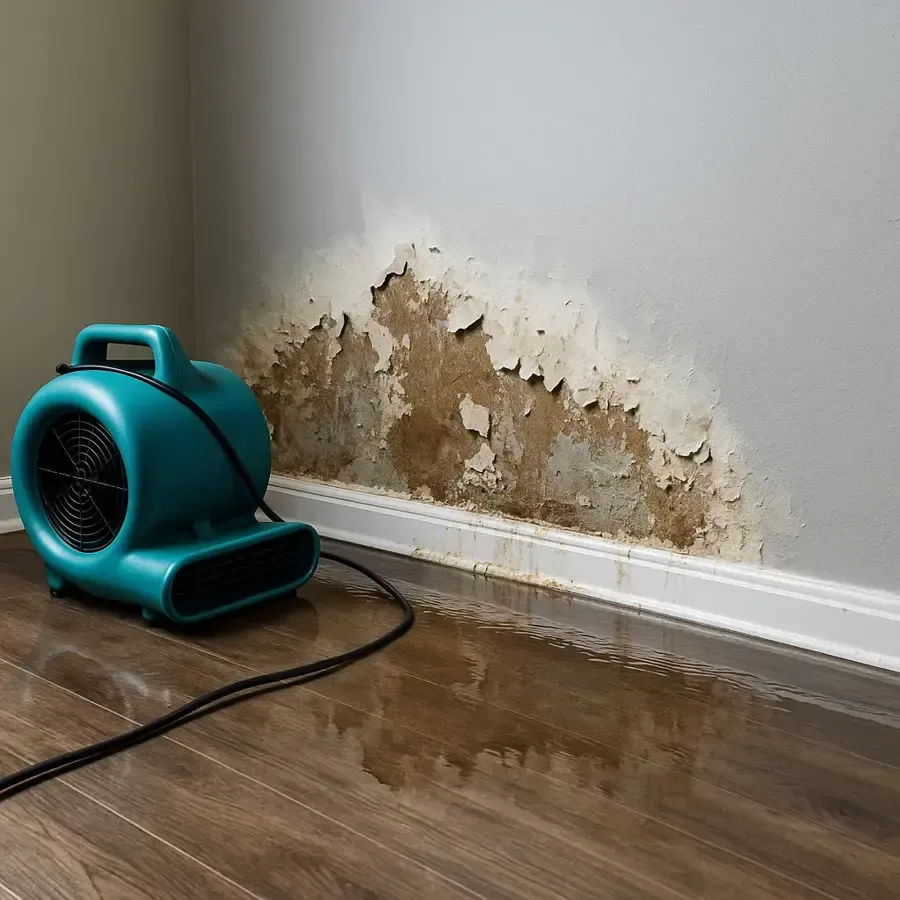 County seat dry outs
Water Damage Restoration Services in Brighton, CO
Twelve kinds of water loss get a dedicated page, from a pipe that split overnight to a basement full of storm runoff, each with its own drying plan and price range.
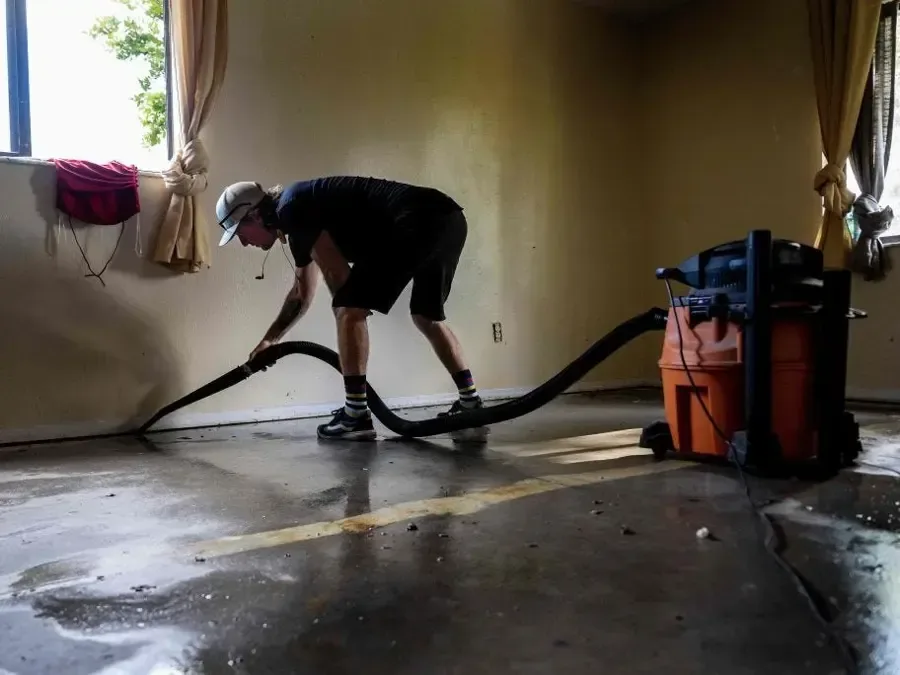 01Water Extraction and RemovalPumps and wet vacuums lift standing water from tile, wood, carpet and concrete before it spreads into framing.View service
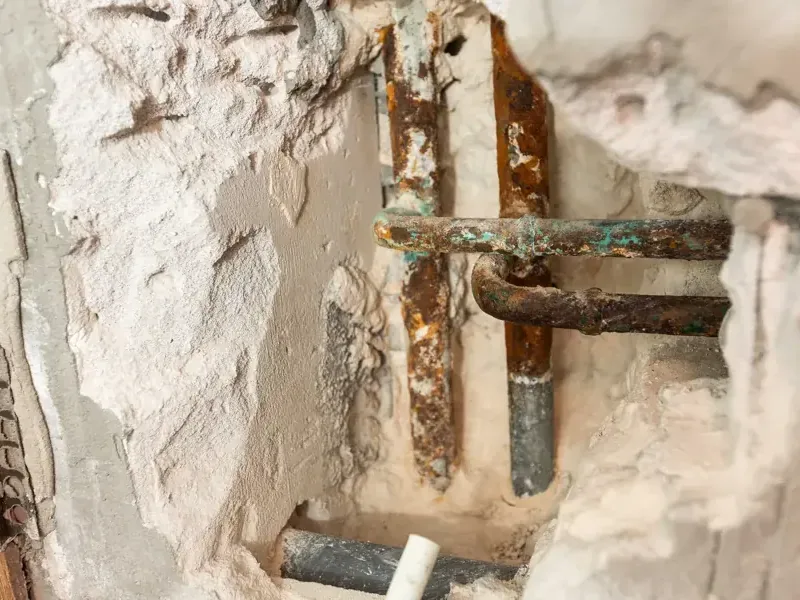 02Burst Pipe Water DamageA split supply pipe floods quickly, so shutoff, removal and opening the wet walls come first.View service
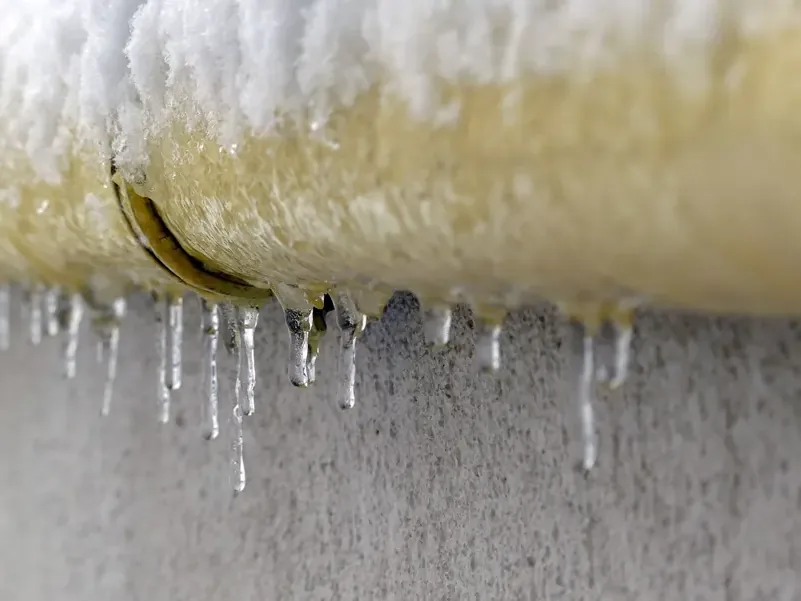 03Frozen Pipe Water DamageIce splits pipes during cold snaps, and the damage often shows up at the thaw inside walls.View service
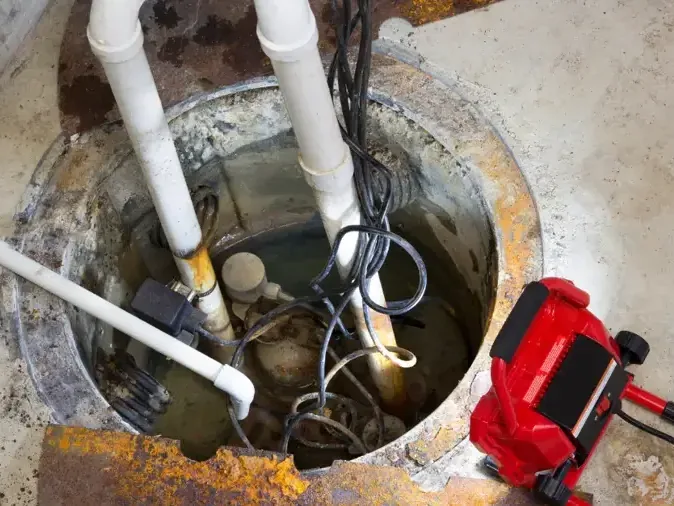 04Basement Flooding CleanupRain and snowmelt leave basements wet, so floors are pumped out, flood cut where needed and dried.View service
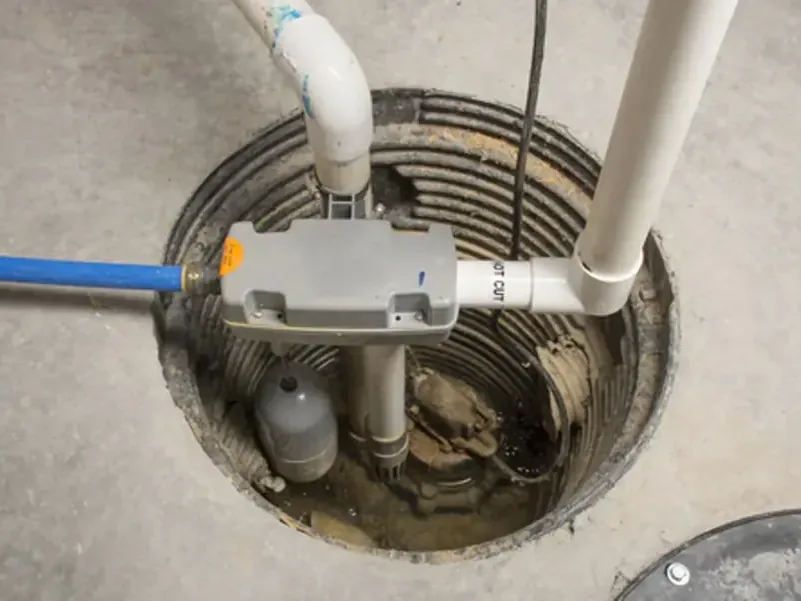 05Sump Pump Failure CleanupA pit pump that quits in a storm lets water in; crews clear it and dry the slab.View service
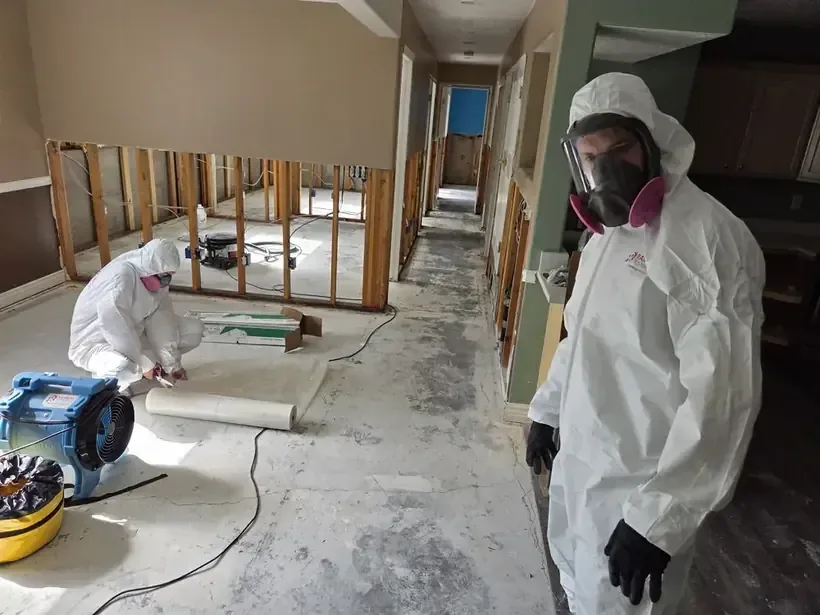 06Sewage Backup CleanupContaminated backup water is removed in protective gear, then affected materials are cleaned and disinfected.View service
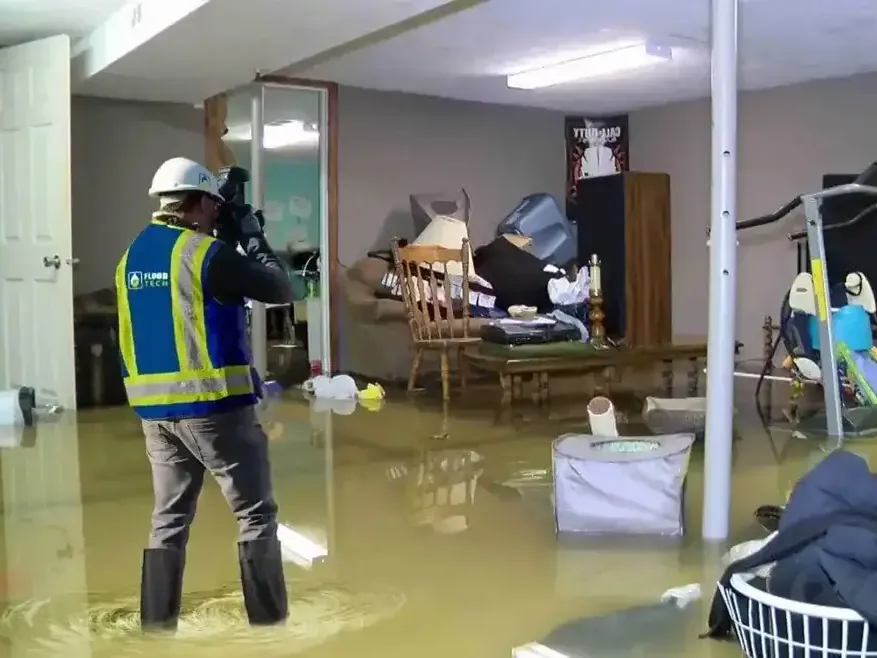 07Storm Water and Flash Flood CleanupHeavy runoff that enters a home is removed fast, and soaked materials are sorted and dried.View service
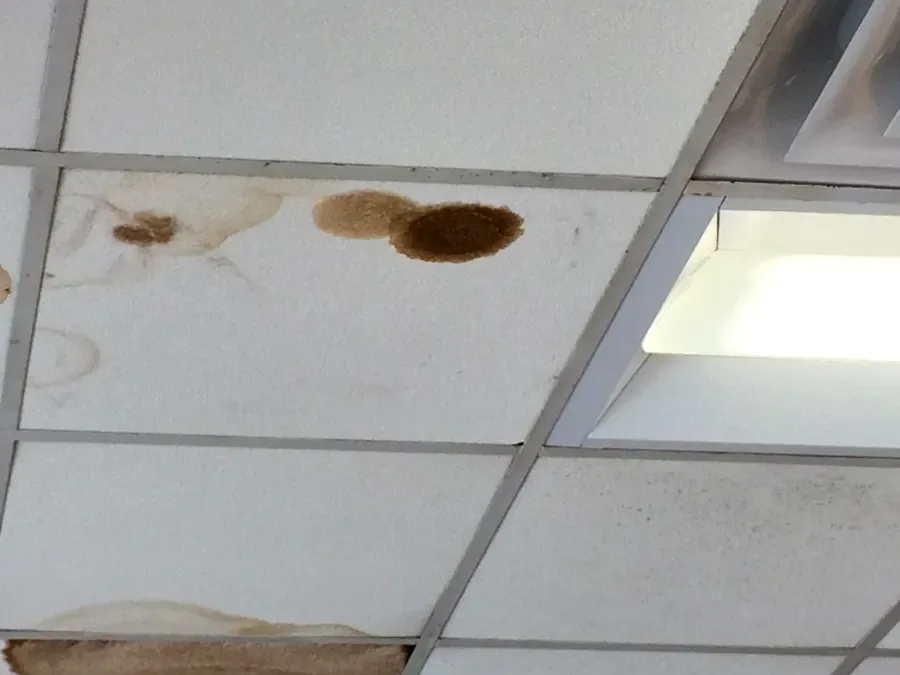 08Roof Leak Water DamageWater that enters through a damaged roof is followed through insulation and ceilings and dried out.View service
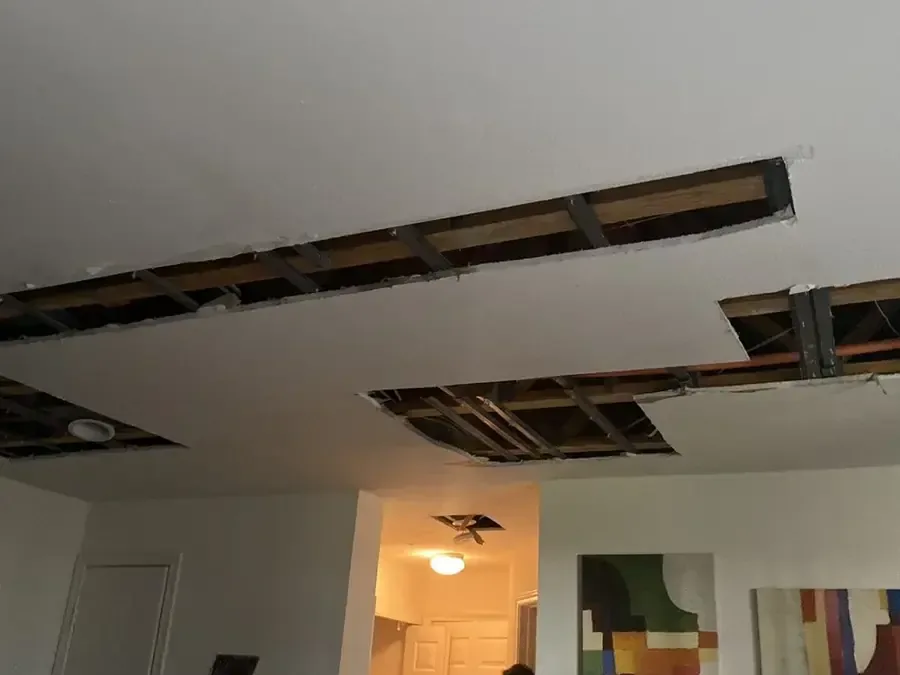 09Ceiling Leak Water DamageA stain rarely marks the source, so the ceiling cavity is opened and dried above it.View service
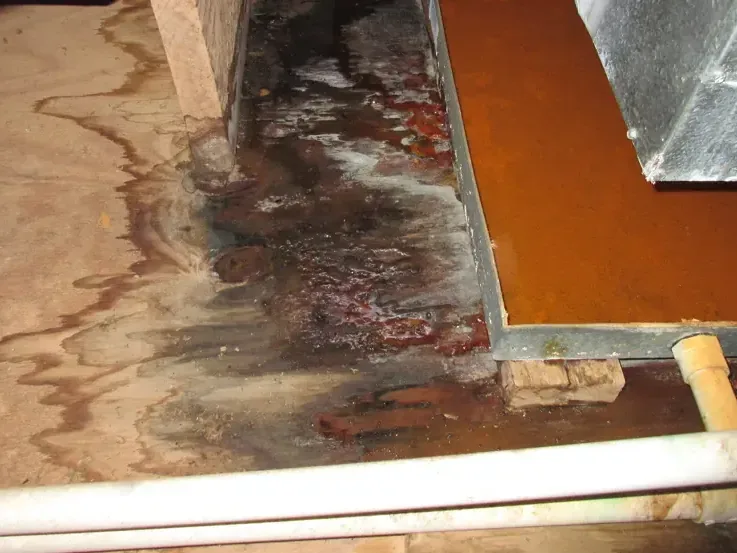 10Water Heater Leak CleanupA failed tank can flood a utility room, so the water is removed and nearby walls are dried.View service
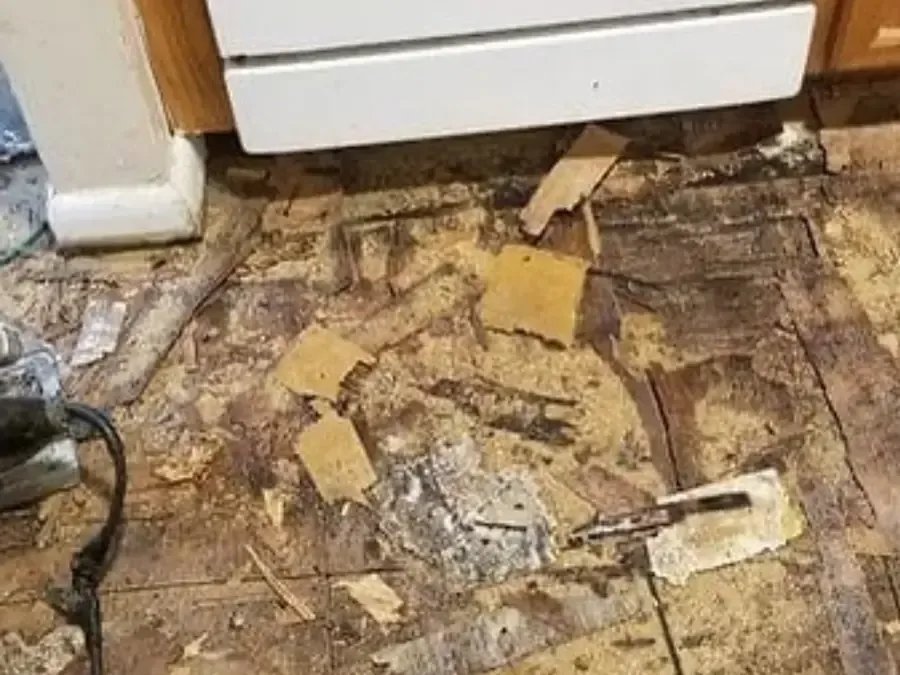 11Appliance and Supply Hose LeaksDishwasher, washer and supply hose leaks hide under cabinets and flooring until drying finds them.View service
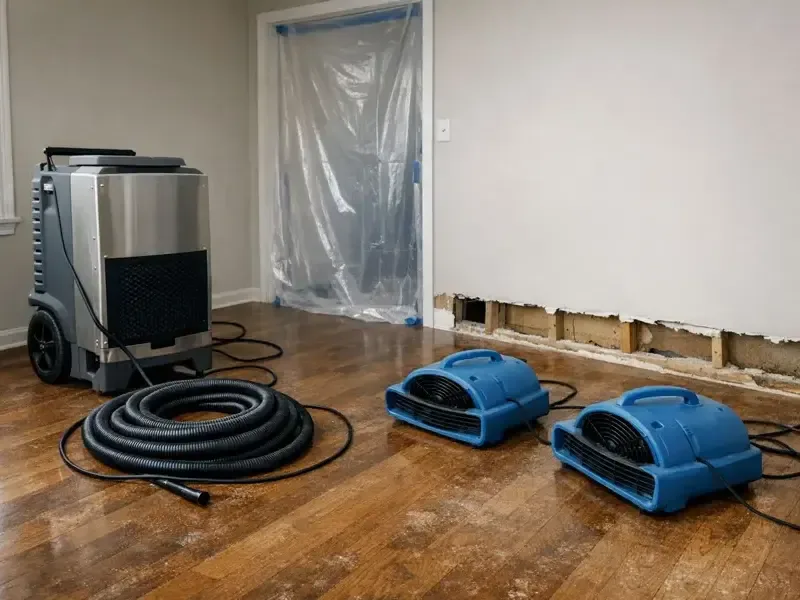 12Structural Drying and DehumidificationDehumidifiers and air movers dry framing and subfloors until readings match dry reference points.View service
What to do right after water enters your home
- Stop the source. Close the fixture valve or the main shutoff, and switch off power at the panel only if the floor around it is dry and nothing is sparking.
- Protect your health. Keep children and pets out of standing water, and treat anything that came from a drain or toilet as contaminated until a crew has tested it.
- Photograph everything. Take wide and close photos of the water, the damaged belongings and the failed part before anything is moved.
- Lift what you can. Move rugs, boxes and small furniture onto dry ground, but leave soaked drywall and flooring in place.
- Call for extraction. Describe the source and the wet rooms so pumps, meters and drying gear are loaded for the job.
From the first call to a documented dry result
Every job follows the same four stages, and each stage ends with a written reading or a photo that proves the work.
Inspect and meter
A technician checks the source, maps the wet areas with a moisture meter and names the water category before any equipment is set.
Remove the water
Pumps and extractors take out standing water, then wet padding and soaked drywall are cut out and bagged for disposal.
Dry the structure
Air movers and dehumidifiers run on a schedule, and readings are logged at each visit until every material reaches its dry goal.
Verify and close out
Final readings and photos go into a record an adjuster can read, and then the equipment comes out of the home.
Water damage dried to the IICRC S500 standard
Readings drive decisions
Moisture meter results, not how a surface looks, decide when equipment can leave a room and when wet drywall has to be cut.
Water category matters
Clean, gray and black water each call for different handling, protective gear and disposal of porous materials like carpet pad.
Records for every visit
Dated notes, photos and meter logs stay with the file so the work can be shown to an adjuster or a property owner.
What the crew brings to each job
Equipment is set by room size and material, and it stays until the final reading shows the structure is dry, not just the surface.
All water damage categories covered in Brighton, CO
Category 1, clean water
Supply pipes, tub overflows and failed fixtures start clean, but they turn worse if the materials stay wet for days.
Category 2, gray water
Washing machines, dishwashers and sump discharge carry soap or dirt, so porous materials usually come out and hard surfaces are cleaned.
Category 3, black water
Sewage and rising storm runoff carry bacteria, so crews wear protective gear, remove porous materials and disinfect what remains.
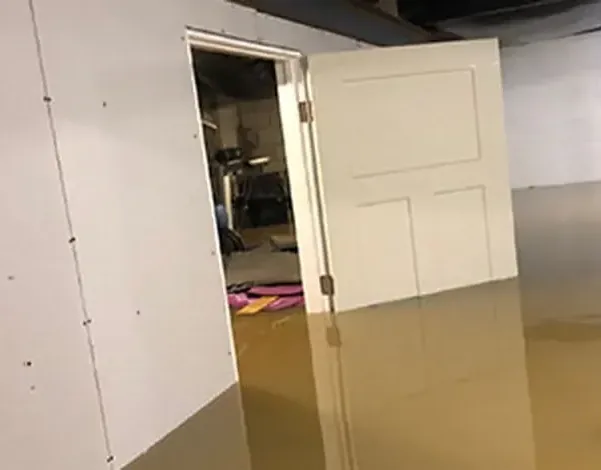
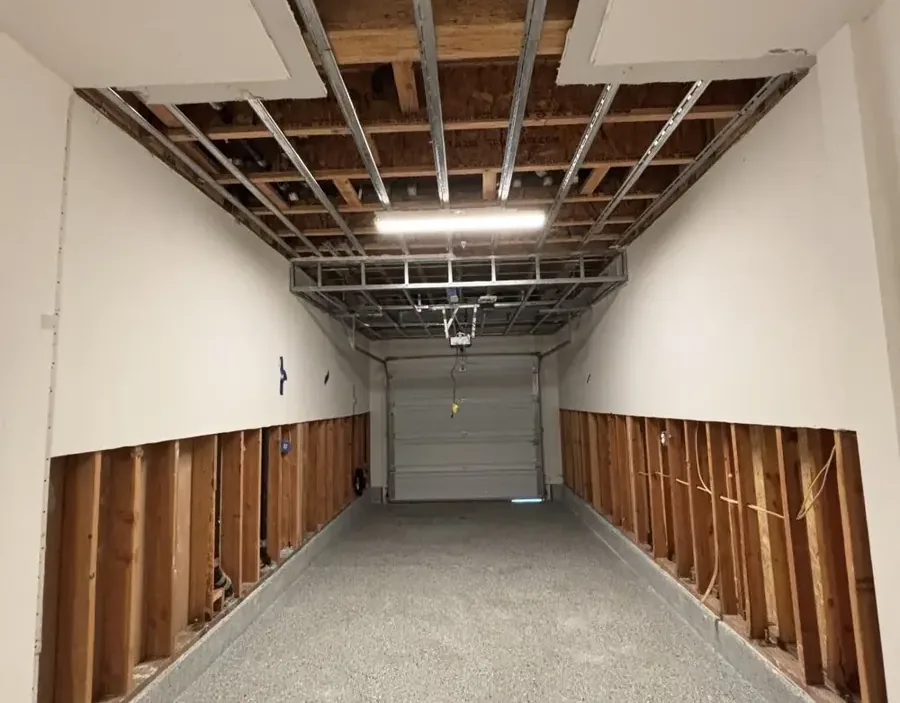
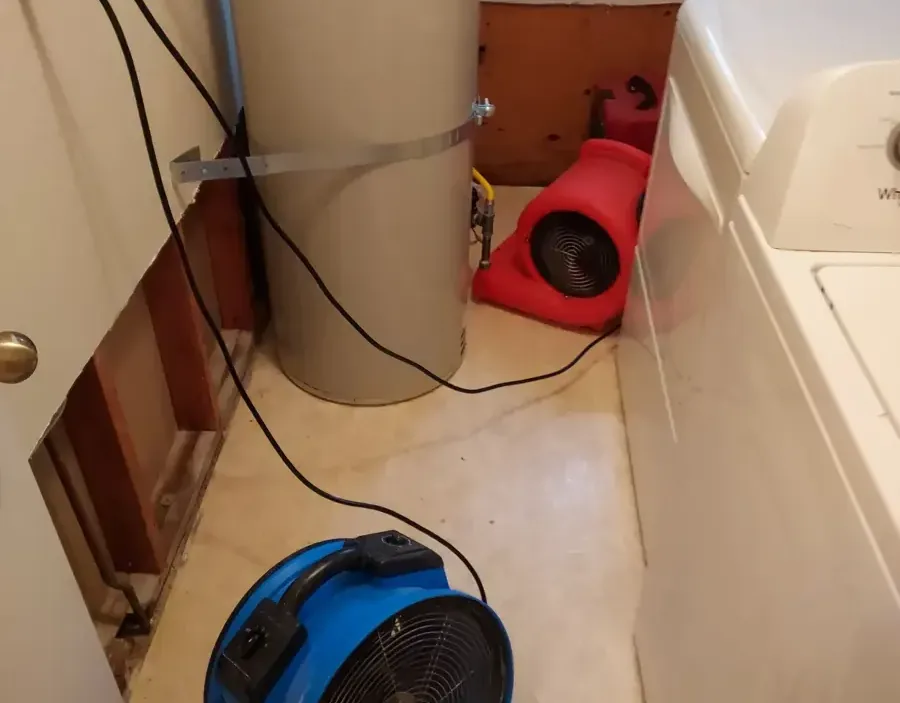
What a water damage dry out looks like in Brighton
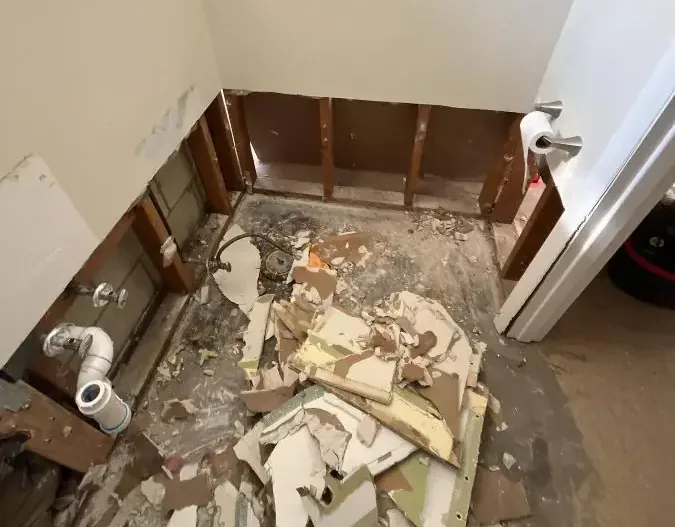
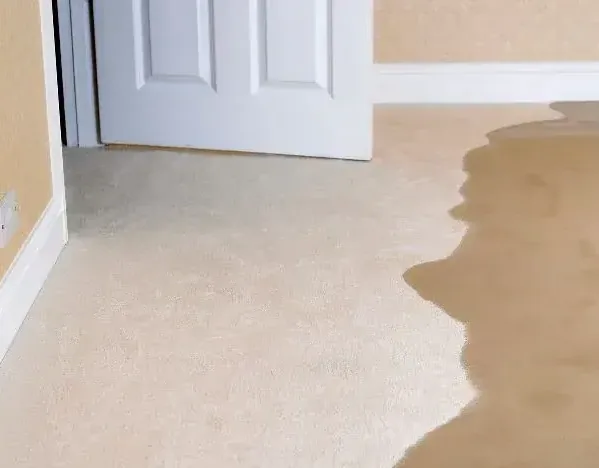
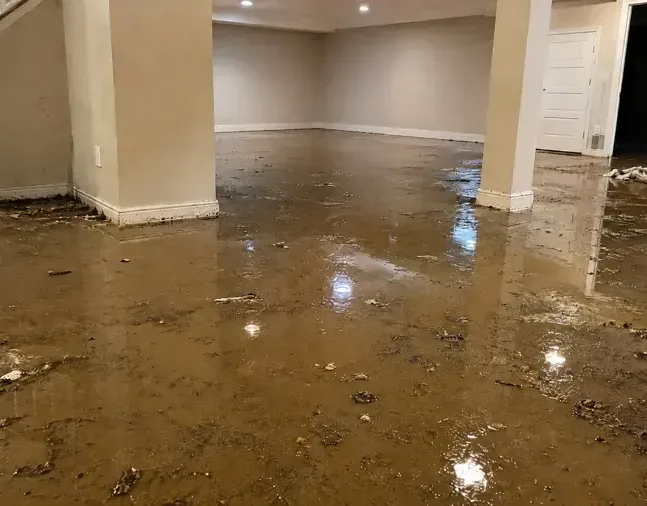
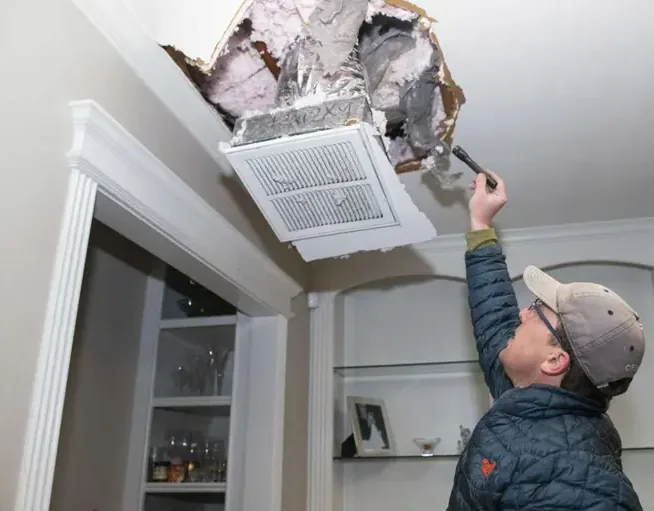
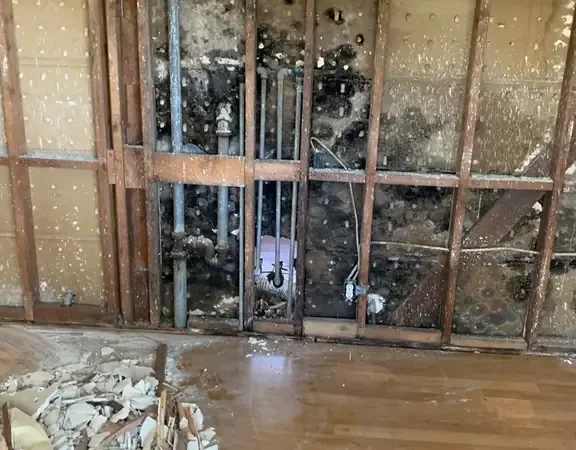
What does water damage restoration cost in Brighton, CO?
Most jobs run from about $1,200 for a single wet room to $20,000 when water reaches several levels or dense materials; the source, the water category and the square footage set the final number.
One or two rooms
- Contained wet area on a single level
- Extraction plus a few drying units
- Short equipment stay
Basement or several rooms
- Wet floors and lower drywall across rooms
- Flood cuts, pad removal and longer drying
- Daily readings until dry
Large or dense materials
- Several levels or soaked subfloors
- Hardwood, plaster or heavy framing
- Extended drying schedule
Documentation for your insurance claim
Adjusters work from evidence, so a dated record of the loss protects a claim after a water event and speeds up decisions on what must be replaced or repaired.
- Photos of every wet room
- Date and time the water began
- Notes on the failed part or source
- Moisture readings from the crew
- A list of damaged belongings
Basic homeowner's insurance does not cover flood damage, so a policy through the National Flood Insurance Program may matter after storm runoff. Sudden pipe and appliance losses are a different coverage question for the carrier. Crews supply readings and photos but do not decide coverage.
Ranges are typical for the region and are not quotes; an on site inspection with moisture readings turns them into a written scope and price before work starts.
Water damage help across Brighton and Adams County
Crews reach homes in all three local ZIP codes, plus nearby neighborhoods and park areas around the county seat.
ZIP codes served
Crews work these ZIP codes day and night, and each dispatch starts with the source and the affected rooms.
Neighborhoods
Parks and landmarks
Nearby towns
What puts Brighton homes at risk of water damage
The area has a cold and dry climate, so the risks swing between winter freezes and intense summer downpours, and the city itself warns that flooding is not limited to mapped floodplains. Six local conditions shape the work.
Intense rainfall flooding
The city says its susceptibility to intense rainfall means areas outside the mapped floodplain may also flood, so a home without a flood zone label can still take water.
Undersized storm inlets
Street flooding is often traced to storm drain inlets that are too small for heavy runoff or that need cleaning, which can send water toward low doors and window wells.
Cold winters
A December average low of 21F and snow on the ground about 48 days a year put supply pipes, hose bibs and attic plumbing at risk of freezing and splitting.
Owner side of the meter
The city repairs the water service pipe up to and including the meter, but a break from the hand valve on the house side to the house falls to the property owner.
Meter leak test
The city suggests turning off all water use, recording the meter dial and checking it again after 15 to 20 minutes to spot a hidden leak.
Debris and drainage rules
Dumping debris into a drainage ditch, stream or storm sewer is illegal, and the city treats lot to lot drainage problems as a civil matter it does not regulate.
Water damage questions
Water in the house right now?
Crews pump, cut and dry around the clock, every day of the year, and a call starts the dispatch.
(888) 532-8620 Ask a crew about the damageHow fast does water damage spread after a leak?
Water wicks into drywall, baseboards and subfloors over the first day, and wet materials left alone begin to swell, stain and spoil in 24 to 48 hours, so removal and airflow should start as soon as the source is stopped.
Who repairs a broken water pipe at the meter?
The City of Brighton repairs a water service pipe in the public right of way up to and including the meter. A break between the hand valve and the house is the property owner's responsibility.
Does homeowner's insurance cover flood damage?
Basic homeowner's insurance does not cover flood damage, and the city takes part in the National Flood Insurance Program. Coverage for a sudden pipe or appliance leak is a separate question for the policy and the carrier.
Can homes flood outside the mapped floodplain?
Yes. The city says that because of intense rainfall events, areas outside the mapped floodplain may also flood, so storm water can reach homes that never expected it.
Do water heater repairs need a city permit?
A city permit is required for plumbing work and water heater installation. In an emergency the repair may proceed, but the permit application is due by the next business day and the work cannot be concealed.
When is City Hall open for permits?
City Hall and Community Development close at noon on Fridays, so permit paperwork for an emergency repair should be filed before then when possible.
How can a hidden leak be checked at the meter?
Turn off all water use, record the meter dial and check it again after 15 to 20 minutes. If the reading moved, a pipe or fixture is leaking somewhere in the system.
What does drying to the S500 standard involve?
Moisture readings are taken in each wet material, equipment is placed to move and remove moisture, and drying continues until readings match dry reference materials. Daily logs record the progress.
Is a sewage backup handled differently?
Yes. Sewage is category 3 black water, so crews wear protective gear, remove porous materials such as carpet and drywall, and disinfect what stays. Finding which side of the property the problem sits on comes first.
Why do pipes burst in winter?
Pipes can begin to freeze after roughly 24 hours below freezing, and the expanding ice splits the pipe. The damage usually appears at the thaw, once water starts flowing again.
Water in the house? Get the drying started
Water that sits keeps moving into floors and walls, so a quick call lets the crew plan pumps and drying gear.
(888) 532-8620Get a drying crew rolling