Water Damage Restoration Erie, CO
Leaks, floods and failed sump pumps hit finished single-family homes hard in this fast-growing town. A local crew removes standing water, opens wet walls and dries the structure until moisture readings return to normal.
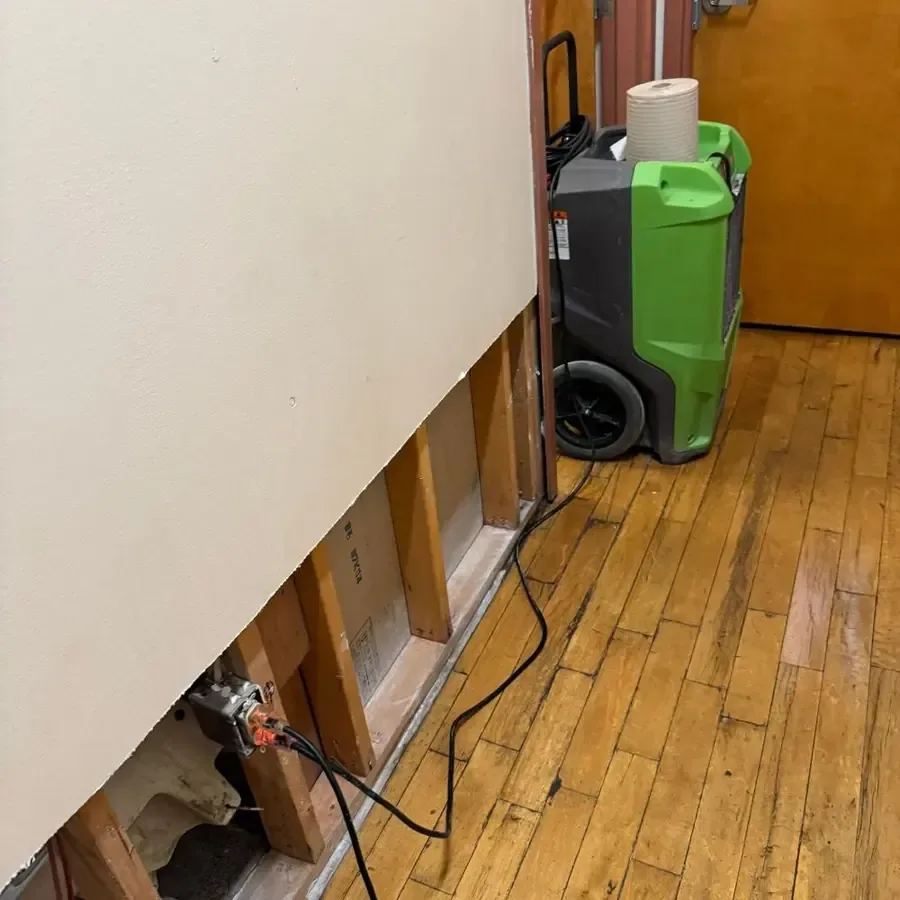 Weld and Boulder counties
Water Damage Restoration Services in Erie, CO
Every water loss begins with stopping the source and removing standing water. The twelve services below cover the common ways homes in Weld and Boulder counties end up wet.
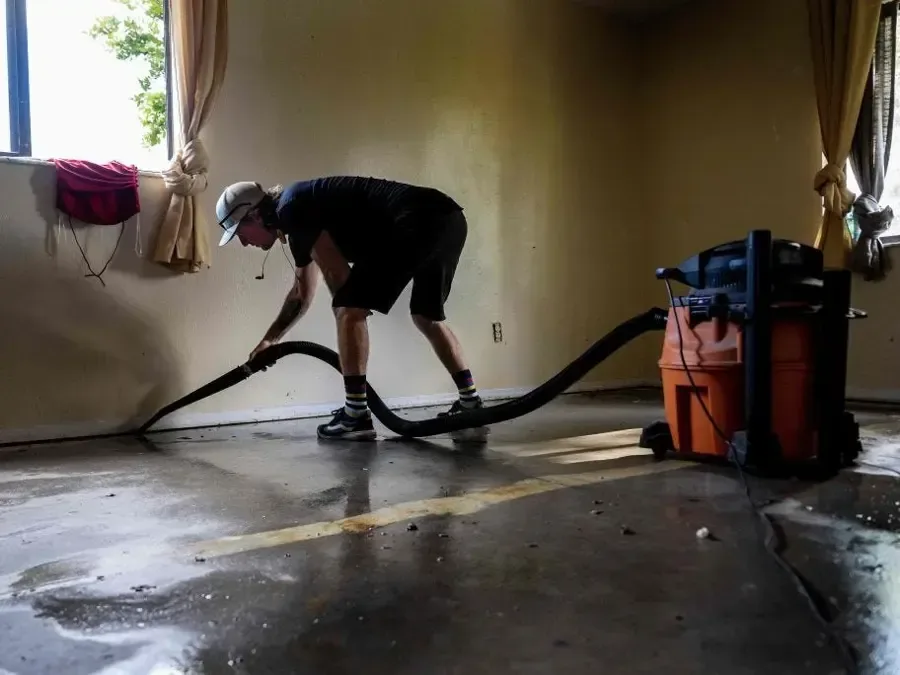 01Water Extraction and RemovalPumps and wet vacuums lift standing water off finished floors before subfloors and walls soak it up.View service
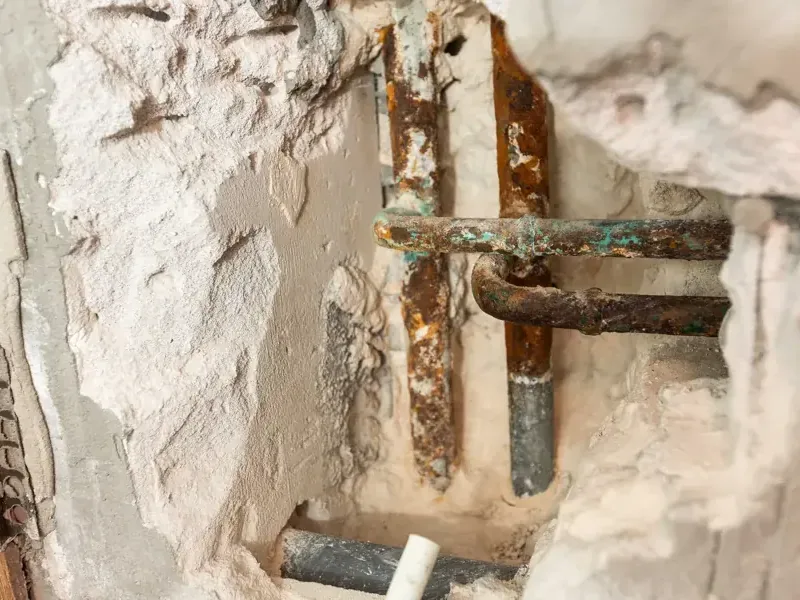 02Burst Pipe Water DamageA split supply pipe floods fast. The crew stops the spread, removes water and dries opened walls.View service
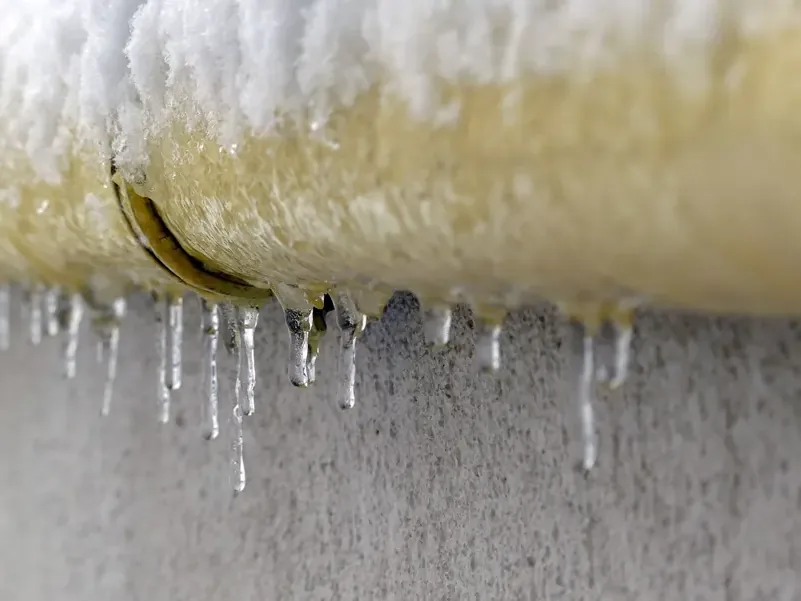 03Frozen Pipe Water DamageIce splits exposed pipes during cold snaps, and the thaw can flood a wall or floor.View service
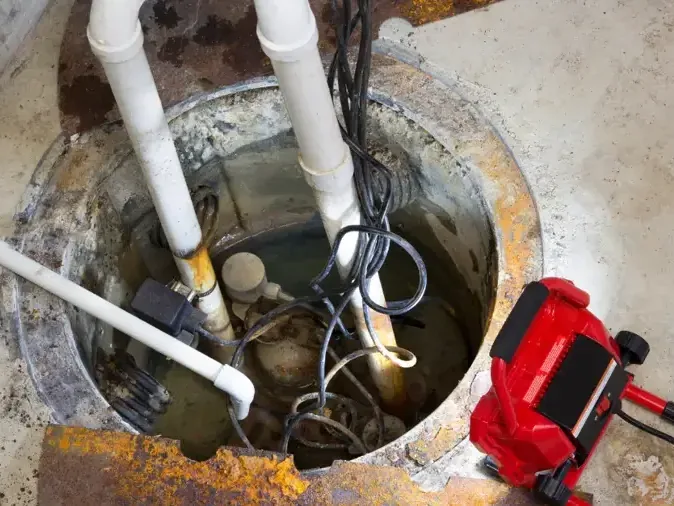 04Basement Flooding CleanupRain, seepage or a failed pump can put water on a lower level, and extraction and drying follow.View service
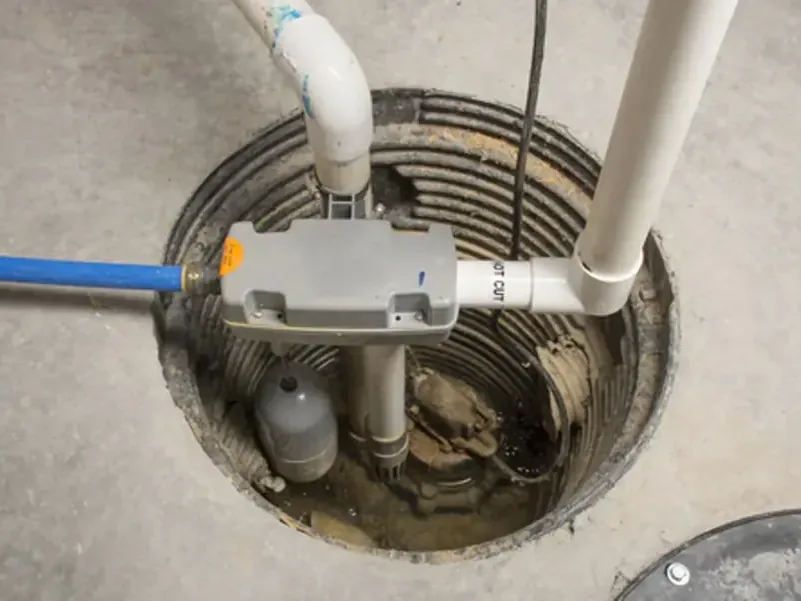 05Sump Pump Failure CleanupWhen a pump stops or cannot keep up, water reaches the lowest floor. Cleanup and drying restore it.View service
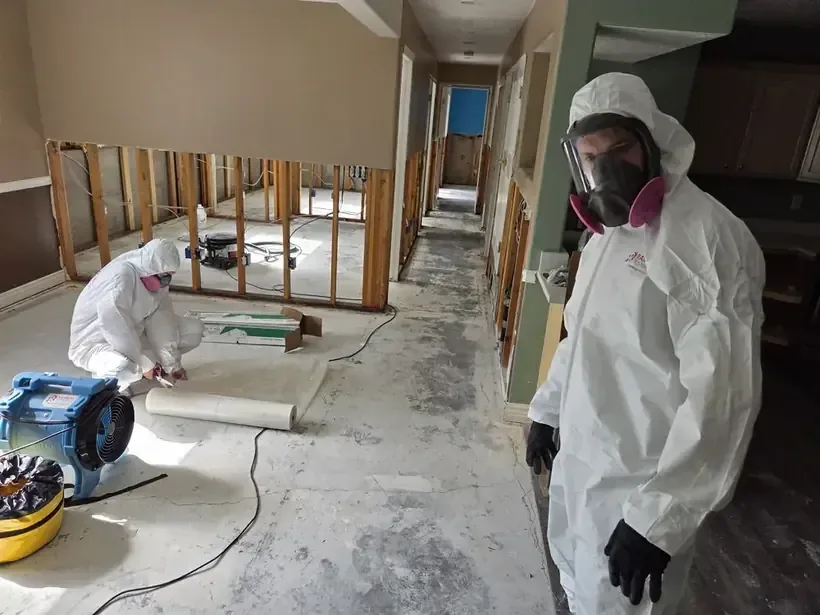 06Sewage Backup CleanupContaminated water from a drain backup needs protective gear, removal of affected materials and sanitizing.View service
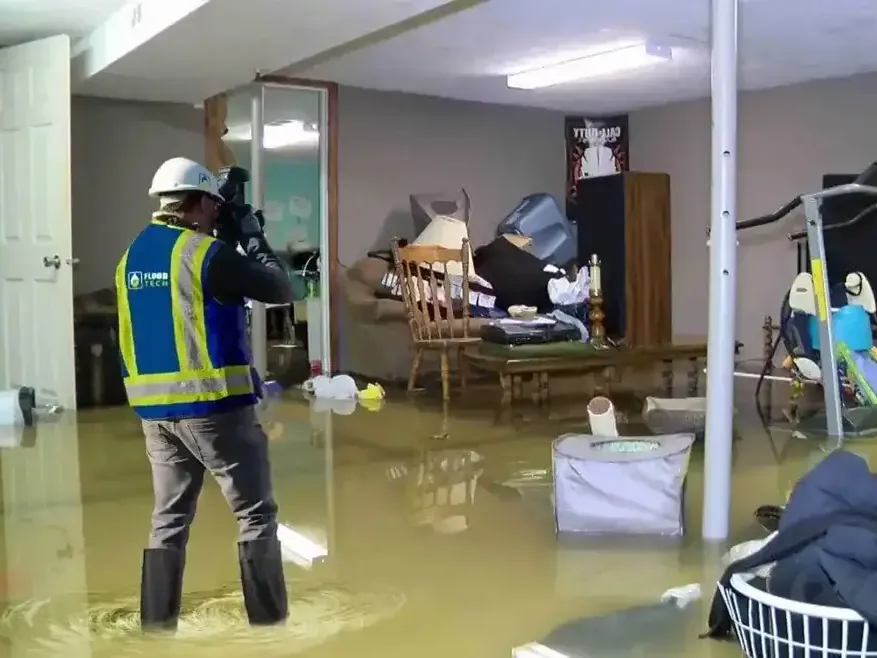 07Storm Water and Flash Flood CleanupFlash flood and storm water carry silt and contamination into homes and call for careful removal.View service
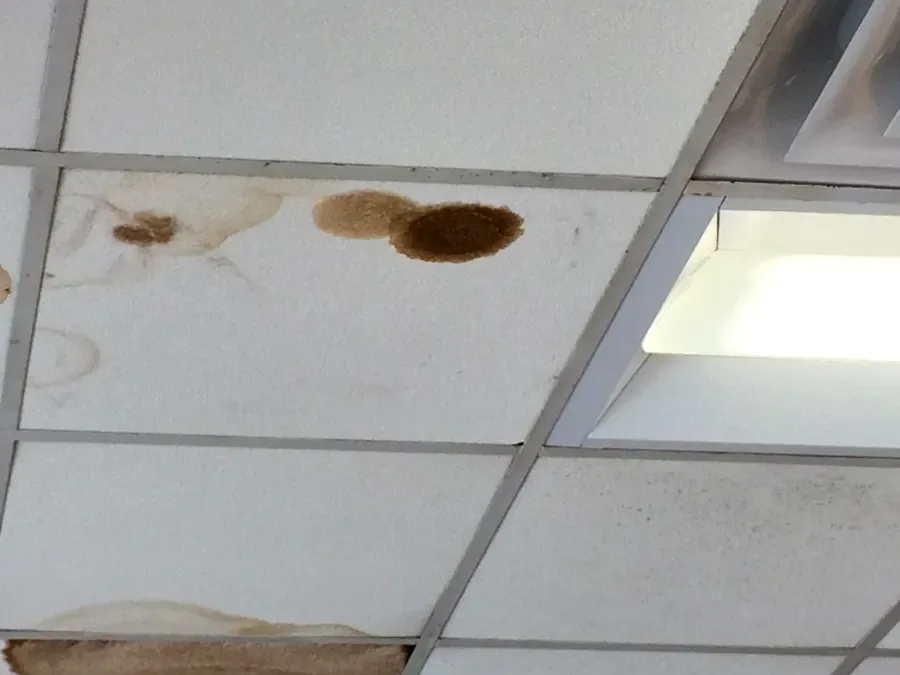 08Roof Leak Water DamageWater pushed through flashing or shingles stains ceilings and soaks insulation before anyone sees it.View service
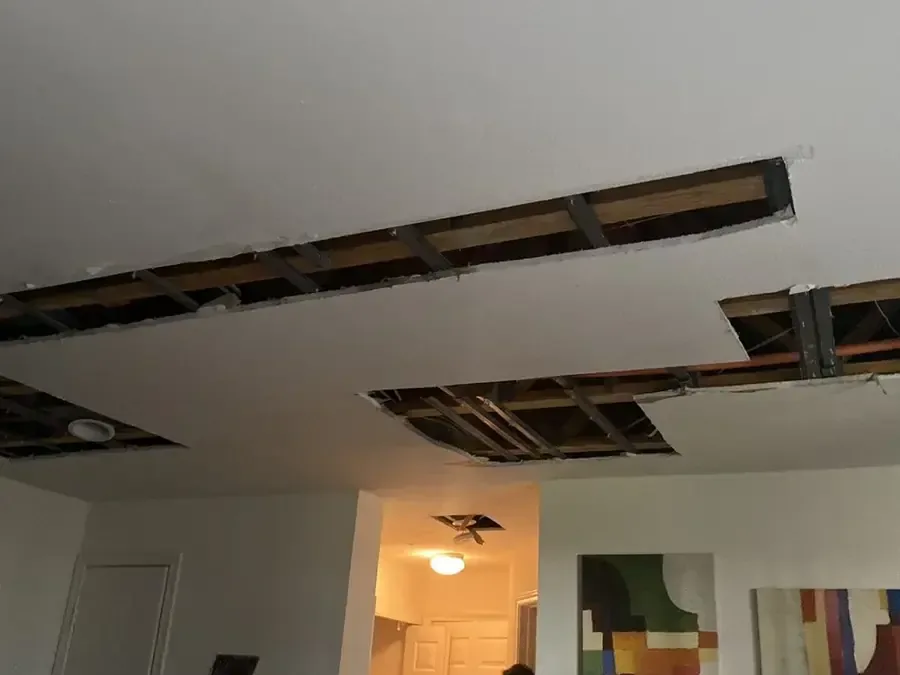 09Ceiling Leak Water DamageStains below an upstairs bathroom often point to a hidden supply or drain leak above.View service
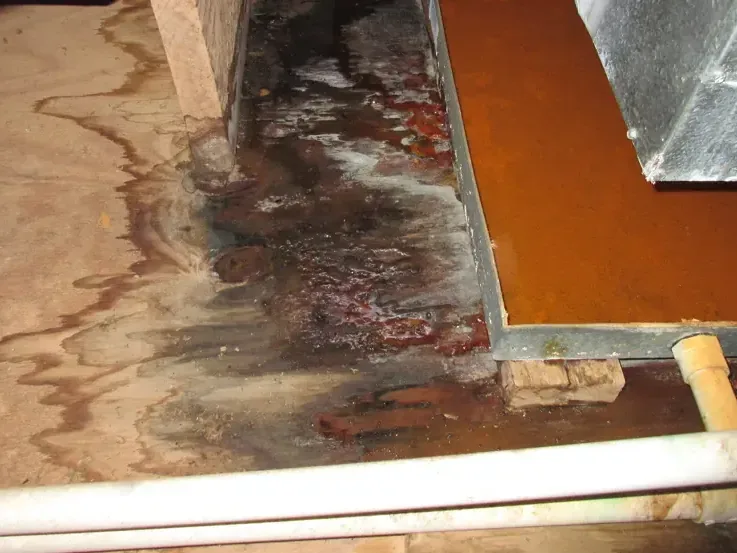 10Water Heater Leak CleanupA failing tank can spill across a finished floor, so the crew removes the water and dries it out.View service
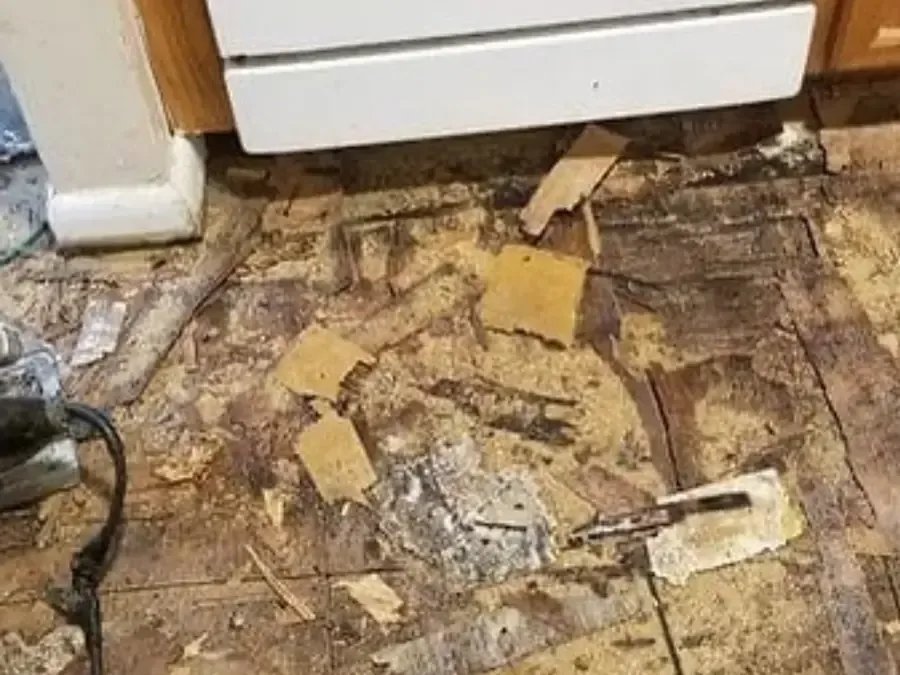 11Appliance and Supply Hose LeaksDishwasher, washer and ice maker hoses leak slowly under cabinets and floors, hiding the damage.View service
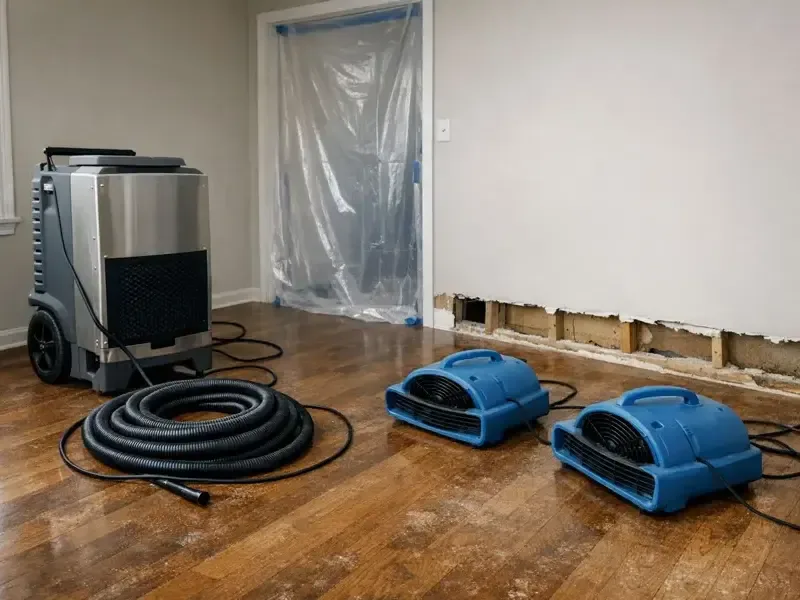 12Structural Drying and DehumidificationAir movers and dehumidifiers dry framing and subfloors until moisture readings return to normal.View service
What to do right after water shows up
- Stop the water. Close the main supply valve or the appliance valve first. If the source is a ceiling or roof leak, move belongings out from under it.
- Mind the electricity. Stay out of rooms with standing water near outlets or cords, and switch off breakers only if the panel is dry and easy to reach.
- Photograph everything. Take wide and close photos of the water, the damaged items and the source before anything is moved.
- Lift what can move. Raise rugs, books and small furniture onto dry ground, and leave soaked drywall and pad for the crew.
- Call a restoration crew. Describe where the water came from and how far it spread so the right equipment is loaded.
From the first call to a dry structure
Every job follows one order: stop the source, remove the water, dry the structure and document the work so nothing damp is left behind.
Stop the source
The crew confirms the leak or flood source is shut off or isolated, since drying a room that is still filling accomplishes nothing.
Remove standing water
Pumps and wet vacuums clear the floor, and soaked pad, trim or drywall that cannot dry is cut out and bagged.
Dry the structure
Air movers and dehumidifiers run while moisture meters track framing, subfloor and concrete until readings match dry areas.
Document and hand over
Photos, readings and a written scope go to the homeowner, ready for the insurance adjuster and for rebuilding.
Water damage dried to the IICRC S500 standard
Measured, not guessed
Moisture meters, thermal imaging and air readings decide where equipment goes and when it comes out. Placement changes as the readings fall.
Containment where needed
Sewage and flood water jobs get barriers, protective gear and separate disposal to keep contamination from spreading. Clean areas stay sealed off.
Written records every visit
Each visit logs readings and photos, giving homeowners and adjusters a clear drying record to follow. Adjusters can follow it.
Standards behind each dry-out
Drying follows the written industry standard, so a structure is released only when readings show it is dry, not when it merely feels dry to the touch.
All water damage categories covered in Erie, CO
Clean water
Supply pipe bursts, tub overflows and ceiling drips start as clean water but degrade fast if materials stay wet, so early removal keeps the loss small.
Gray water
Dishwasher, washer and ice maker leaks add soap and food residue, so wet materials need quicker attention and often removal.
Black water
Flood and storm water, or sewage, carries bacteria and silt. Porous materials are usually removed, and the area is cleaned and sanitized.
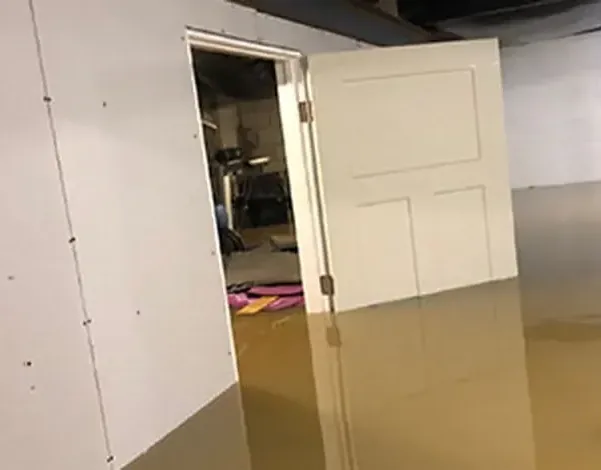
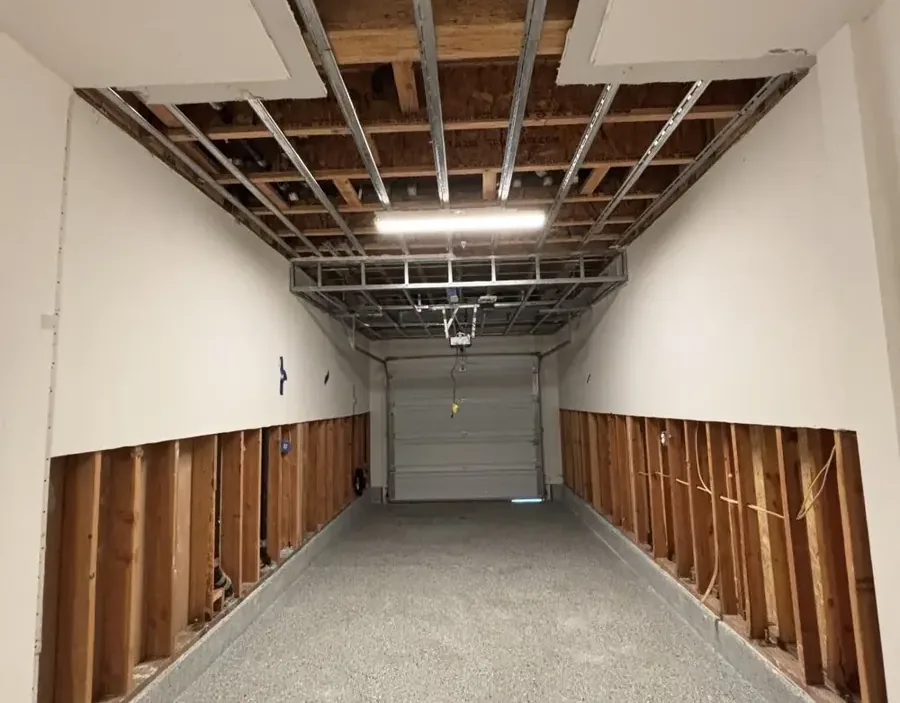
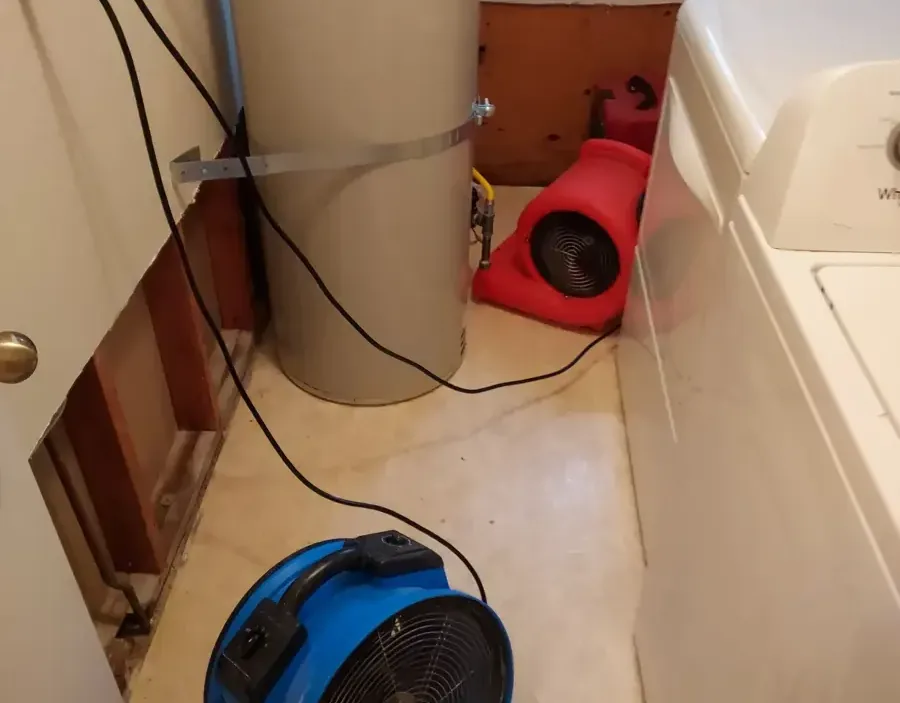
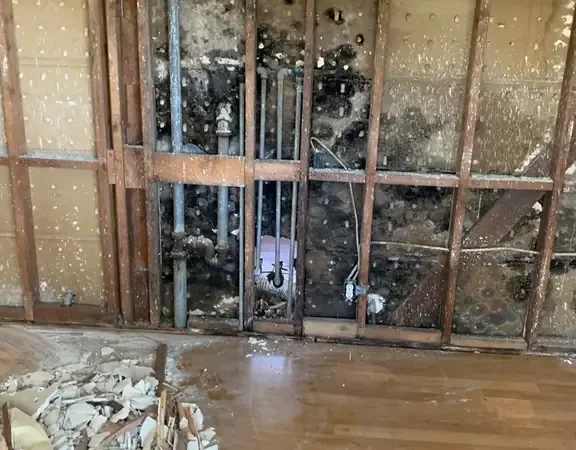
What a water damage dry-out looks like in Erie
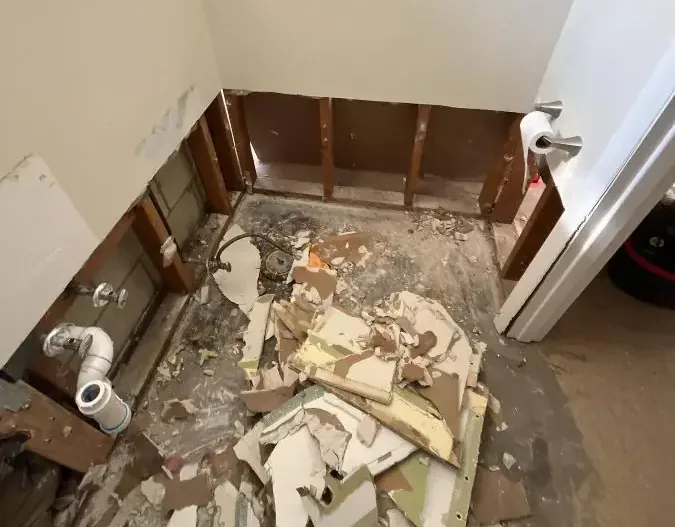
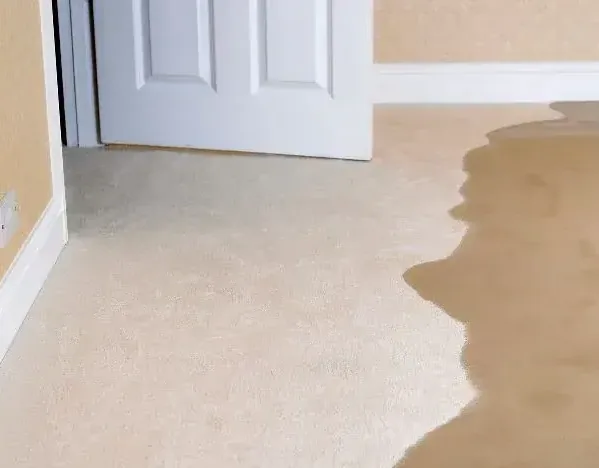
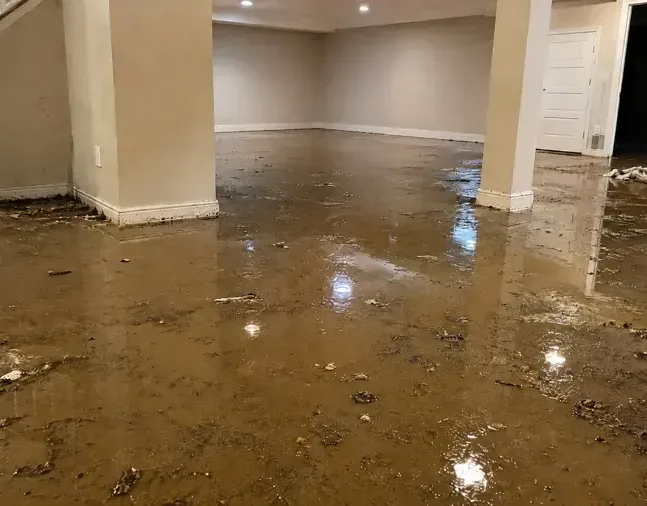
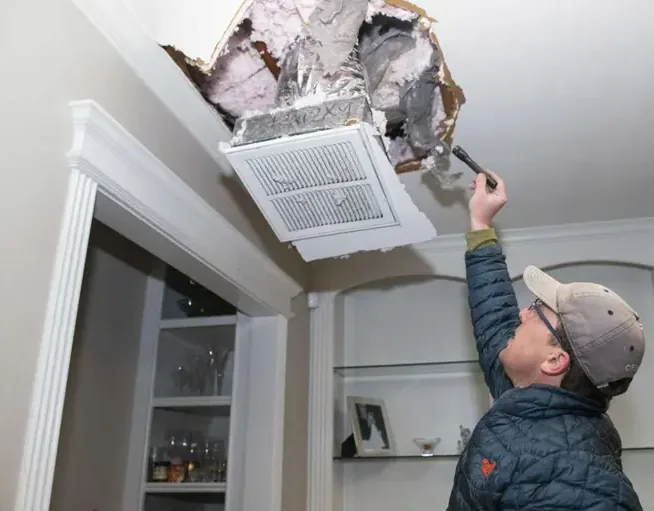
What does water damage restoration cost in Erie, CO?
Small losses in local homes often run $1,200 to $3,000, while a basement or several rooms land near $3,000 to $7,500. Large losses with dense materials reach $7,500 to $20,000.
Small leak
- One or two rooms affected
- Extraction and a short dry-out
- Little demolition needed in most cases
Several rooms
- Basement or multiple rooms wet
- Longer drying with several machines
- Some flooring or drywall removed as needed
Large or dense materials
- Whole level or heavy loss with dense finishes
- Thick materials dry slowly
- Extended equipment time
Documentation for your insurance claim
Adjusters pay claims from evidence, so the file should start before any wet material leaves the home and continue through the last drying visit. Every step is logged.
- Photos of the failed source
- Wide and close photos of damage
- Moisture readings for every room
- Inventory of removed materials
- Drying logs from each visit
Homeowners can help by keeping receipts for emergency repairs and by holding on to damaged items until the adjuster has seen them or photos are taken. Coverage depends on the policy and the cause of loss, so questions about what is covered belong with the carrier.
These ranges come from typical jobs and are not a quote. A technician confirms scope with moisture readings, and the written estimate states what is included before work begins.
Water damage service across Erie, CO
Crews serve neighborhoods across town, from Old Town to Colliers Hill and Anthem Highlands.
ZIP code
Homes in ZIP 80516 are the core service area, reaching into both Weld and Boulder counties.
Neighborhoods
Streets and corridors
Nearby towns
Local water risks that shape each job
This town sits across Weld and Boulder counties, and its water risks come from storms, rapid growth and ordinary plumbing rather than one single hazard. These facts shape how crews prepare for a call.
Flash flood in 2013
On September 11, 2013, Erie was the hardest hit spot in Boulder County, with 9 to 12 inches of standing water across Erie Parkway and flooded basements reported.
Floods before that
Major floods hit in 1890, 1921 and 1972, and a dike was built around nearby Coal Creek after the 1972 flood. Heavy water is part of local history.
Mostly single-family homes
About 93% of residents live in single-family homes, so most losses start inside a house with finished rooms, not in a shared building.
Fast recent growth
Population grew 65.64% between the 2010 and 2020 censuses, so much of the housing is recent, and hidden leaks can run behind new finishes.
Town-run utilities
The Town of Erie runs its own water and wastewater utility, and wastewater goes to its Water Reclamation Facility. A backup inside a home still needs professional cleanup.
Sump pumps at work
Heavy rain like the September 2013 flash flood puts sump pumps to the test, and a failed pump lets water onto the lowest level.
Water Damage Questions in Erie
Still have a question?
Describe the water, the source and the rooms involved, and the crew will explain the next step before any work begins.
(888) 532-8620 Ask the crew directlyHow soon should water damage be dealt with?
As early as possible. Wet drywall, insulation and carpet pad begin to break down and grow microbes if they stay damp, so extraction and drying should start once the source is stopped.
Does homeowners insurance cover water damage?
Sudden events such as a burst pipe or appliance failure are often covered, while slow leaks and rising flood water frequently are not. The policy wording decides, so ask the carrier before assuming. Documentation helps either way.
What is the difference between clean, gray and black water?
Clean water comes from supply pipes, gray water carries soap or food residue from appliances, and black water means sewage or flood water with bacteria. Higher categories need more removal and sanitizing.
Can a wet basement be dried without tearing out finishes?
Sometimes. Clean water caught early may dry in place, but carpet pad and low drywall that stayed wet are usually removed. Moisture readings decide what can stay. Cutting is kept to a minimum.
Who cleans up a sewage backup inside the house?
The Town of Erie treats wastewater at its Water Reclamation Facility, but a backup inside a home still needs professional cleanup with protective gear and proper disposal.
Do flash floods really reach homes here?
On September 11, 2013, flooded basements and 9 to 12 inches of standing water on Erie Parkway were reported, so storm water and sump pump failure are real concerns.
How is the cost of a dry-out decided?
The wet area, the water category, the materials involved and the equipment time set the price. A technician reads moisture levels and writes the scope before work begins.
What should be photographed before cleanup starts?
The source, the extent of the water and every damaged item, using wide and close shots. Photos taken before anything moves make the insurance claim easier to support. Date-stamped photos are best.
How long does structural drying take?
Drying runs until moisture readings match unaffected areas, which is often several days depending on the materials and the size of the loss. Equipment stays until the meters agree. Dense materials take the longest.
Does the crew rebuild after the dry-out?
The dry-out comes first. Rebuilding such as drywall, paint and flooring is a separate step, and the Town's Building Division checks plans and issues permits where a project requires them.
Water in the house? Start the dry-out before it spreads
Call now, any hour, and describe the source and the rooms involved. A crew will explain the plan and what the work involves.
(888) 532-8620Speak with a restoration crew