Basement Flooding Cleanup in Erie, CO
Flooded basements were reported in Erie during the September 11, 2013 flash flood, and rain, seepage or a failed pump can still put water on a lower level. The crew pumps it out, removes wet materials and dries the space.
(888) 532-8620Get a basement crew moving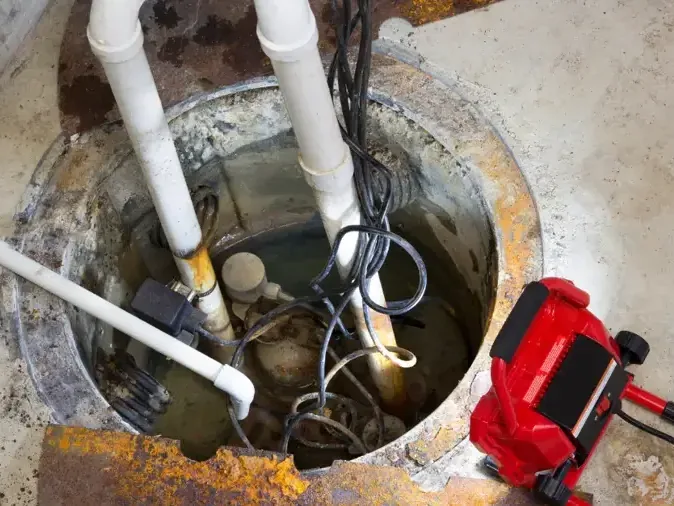
What a proper basement flooding cleanup job takes in Erie
Rain finds the lowest floor
Runoff, seepage and pump failures all end up on the basement floor first, so a lower level takes damage before the rest of the house. Even a short flood can reach framing.
Slabs dry slowly
Concrete holds moisture for days, which is why dehumidifiers matter as much as pumps.
Finishes trap water
Carpet pad and drywall sitting in water wick it upward and are often removed early.
Storage adds to the loss
Boxes, furniture and electronics kept below grade are common casualties, and photos help the claim. Lists of lost items belong in the file.
What to do right now about basement flooding cleanup
- Cut power to wet areas. Switch off electricity only if the panel is dry and reachable, and stay out of standing water. Never wade into deep water near a panel.
- Find the water source. Look for a failed pump, window well, floor crack or supply leak and stop it if possible. A plumber can confirm whether a supply pipe is leaking.
- Call a restoration crew. Report depth, finishes and stored belongings so pumps and dehumidifiers are loaded.
- Photograph the damage. Take wide and close photos before items are moved or discarded. Include the stored items.
What does basement flooding cleanup cost in Erie, CO?
A small or unfinished basement flood usually costs $1,500 to $4,000. A finished basement runs $4,000 to $9,000, and sewage or outside water in the basement can reach $9,000 to $20,000. Finishes and water type drive the range.
Unfinished or small area
- Concrete floor and framing
- Pumping and dehumidifiers
- Few finishes to remove
Finished basement
- Carpet, pad and drywall wet
- Tear-out of saturated finishes
- Longer drying period
Sewage or outside water
- Contaminated water involved
- Protective gear and disposal
- Sanitizing after removal
What moves the number most:
- The water category: clean, gray or black water
- Square footage and how many levels got wet
- Material class: carpet, drywall, hardwood or a concrete slab
- How many hours passed before drying started
Ranges are typical, not a quote. The water damage cost calculator gives a closer range for your own rooms.
Basement Flooding Cleanup, step by step
On every Erie job, moisture gets mapped before any equipment goes down, and the equipment stays until the readings say dry.
Call and safety check
The crew asks about depth, electricity and the water source before work starts. The answers decide which pumps and protective gear are loaded and how many people come.
Pump-out
Water is pumped in stages while the crew watches for hidden entry points. Discharge is directed away from the foundation.
Tear-out
Saturated carpet, pad and drywall are removed, and surfaces are cleaned. Items are photographed and listed before they go.
Dry and verify
Dehumidifiers and air movers run until slab and framing readings return to normal. The final readings are logged for the homeowner and the insurer.
A flooded basement is the most common large water loss in a house, because every drop that gets in ends up on the lowest floor. Carpet, pad, wall framing and stored belongings all take damage, and the concrete slab holds moisture long after the surface looks dry.
Why basements flood after heavy rain
During the September 2013 flash flood, flooded basements were reported across Erie, which shows how quickly runoff can overwhelm a lower level. Water enters through floor cracks, window wells and failed pumps, and rising groundwater adds to the load. The first question is always where the water is coming from, because pumping a basement that is still filling only buys time.
- Entry point identified first
- Electrical hazards checked
- Water pumped out in stages
- Stored items moved to dry ground
Finished or unfinished space
An unfinished basement mostly needs extraction and drying of the slab and framing, while a finished one adds carpet, pad, drywall and trim. Removal goes only as far as the moisture goes, and readings decide each cut. Items saved from the water are photographed before they leave.
- Carpet and pad pulled when saturated
- Drywall cut above the wet mark
- Slab and framing dried with dehumidifiers
Water on a lower level keeps soaking carpet, drywall and storage. Call now, any hour, and describe the depth and what the basement holds so the crew can bring the right pumps.
(888) 532-8620Report the flooded basementDrying the lower level
Concrete keeps releasing moisture for days, so dehumidifiers run alongside air movers until slab and framing readings return to normal. The crew also checks for lingering odor and surface growth before releasing the space. Rebuilding with flooring and drywall then begins on a dry base, with the records kept for the claim. Anything stored on the floor is lifted to dry ground before the crew begins. Related work such as sump pump failure cleanup is often part of the same loss.
Basement flooding cleanup across Erie and the towns nearby
Dispatch runs day and night, and the restoration team works every neighborhood listed on the service area page.
Basement flooding work covers homes in Erie, including Colliers Hill, Compass, Vista Ridge, Erie Highlands and Old Town Erie, within ZIP 80516 across Weld and Boulder counties.
The same service nearby: basement flooding cleanup in Thornton, Superior, Brighton.
Related water damage services in Erie
Basement Flooding Cleanup questions, answered
Water still coming in?
Every day a basement stays wet, more finishes are lost. Describe the depth and the crew can plan pumps and tear-out.
(888) 532-8620 Ask about pump-out optionsIs it safe to enter a flooded basement?
Not if water is near outlets, a panel or appliances. Stay out of standing water until power is off safely or an electrician confirms the area is clear. Never touch a wet panel.
Can a finished basement be saved?
Often the framing and slab can, while carpet pad and low drywall are replaced. Moisture readings decide what stays.
How is a basement different from other rooms?
It sits below grade, so water enters from several directions and the concrete dries slowly, which means longer equipment time.
What if the water came from outside?
Outside water carries soil and bacteria, so it is treated as contaminated. Porous materials are removed and surfaces are cleaned and sanitized.
Will insurance cover a flooded basement?
It depends on the cause. Sudden plumbing failures are often covered, while groundwater and surface flooding frequently need separate coverage. Ask the carrier and keep records.
How long until the basement is dry?
Several days is common, because slab and framing hold moisture. The crew checks readings each visit and removes equipment only when they agree with dry areas.
What about items stored in the basement?
Lift salvageable items to dry ground and photograph the rest. Paper, cardboard and upholstered pieces often cannot be dried. Salvaged items should be dried apart from wet drywall.
Does the crew handle electrical repairs?
No. An electrician checks outlets, the panel and any equipment that got wet. The crew works around them, and the dry-out begins once the area is safe to enter.
Basement flooded? Start the pump-out and dry-out
Call now and describe the finishes and the water source. The crew will explain the pump-out, tear-out and drying steps.
(888) 532-8620Send a basement crew