Basement Flooding Cleanup in Englewood, CO
Rain runoff, groundwater and equipment failures can fill a lower level with water. Crews pump it out, remove soaked finishes and dry the structure to measured readings. Readings decide when drying is truly finished.
(888) 532-8620Call about the flooded lower level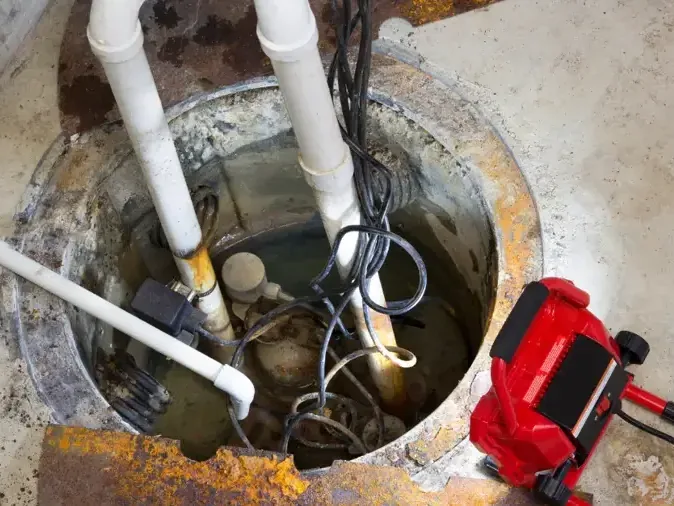
What a proper basement flooding cleanup job takes in Englewood
Pump-out done in stages
Lowering water gradually protects walls and floors, and gives the crew a look at each layer as it is exposed. That keeps repair costs honest.
Source identified first
Rain, groundwater and a failed pipe each call for different handling, so the water category is settled before removal. That choice also shapes the safety gear used.
Dehumidification built in
A closed lower level traps humidity, so the drying plan leans on dehumidifiers and not only fans. Slabs dry slowly without it.
Paperwork prepared
Photos, readings and equipment logs are collected for the carrier from the first visit. Nothing is left to memory.
What to do right now about basement flooding cleanup
- Assess the water and its source. The crew checks depth, category and electrical hazards, and shuts off or isolates anything that could make the situation worse. Panels and outlets are checked first.
- Pump and extract. Submersible pumps lower the water, then extractors lift the remainder from floors and low cavities. The pump discharge is routed away from the building.
- Remove what cannot dry. Soaked carpet, padding and damaged drywall are cut out and bagged for disposal. Photos are taken before bagging.
- Dry and verify. Dehumidifiers and air movers run until walls, plates and slabs read dry. Logs are saved at every visit.
What does basement flooding cleanup cost in Englewood, CO?
Basement flooding cleanup in Englewood generally costs $1,500 to $20,000. An unfinished or small area is the lowest tier, a finished space costs more, and sewage or outside water is the highest. A written estimate after inspection gives the exact figure for the space.
Unfinished or small area
- Pump-out and extraction and extraction
- Concrete and framing dried
- Short monitoring period
Finished basement
- Carpet and drywall removed
- Longer drying program
- Moisture mapping and logs
Sewage or outside water
- Contaminated water handled carefully
- Porous materials discarded
- Surfaces cleaned and sanitized
What moves the number most:
- The water category: clean, gray or black water
- Square footage and how many levels got wet
- Material class: carpet, drywall, hardwood or a concrete slab
- How many hours passed before drying started
Ranges are typical, not a quote. The water damage cost calculator gives a closer range for your own rooms.
Basement Flooding Cleanup, step by step
On every Englewood job, moisture gets mapped before any equipment goes down, and the equipment stays until the readings say dry.
Call and safety check
The caller shares the water depth and source, and the technician explains how to stay clear of electrical hazards until the crew arrives. The crew then heads out.
Inspection
The crew measures moisture in walls and slabs, identifies the water category, and decides what must be removed.
Pump-out and removal
Water is lowered in stages, and soaked finishes are cut out so the structure can release moisture. Debris is bagged and carried out.
Drying and sign-off
Dehumidifiers and air movers run with readings logged, and the final report goes to the homeowner and carrier.
When water reaches a lower level, it sits against walls and floors that have no easy way to drain. Around Rotolo Park and South Navajo Street, the South Englewood Flood Reduction Project targeted neighborhood and street flooding, which shows runoff has been a documented concern. Whether the water arrived slowly or all at once, the cleanup starts with pumping and a careful look at what it soaked.
What causes a lower level to flood
Heavy rain can overwhelm yards and drains and push water toward a foundation. Groundwater rises in wet seasons, a sump pump can stop, and a supply pipe or water heater can fail in the same space. Each source brings a different water category, so the crew identifies it before choosing a method. Window wells, floor drains and cracked slabs are common entry points, and each one leaves a different pattern on the walls.
- Rain runoff against the foundation
- Groundwater pressure after snowmelt
- Pump or float failure
- Burst pipes or tanks in the space
Pump-out and removal
Pumps lower the water gradually so walls and floors are not stressed by a sudden change. Once the floor is exposed, soaked carpet, padding and the lower part of drywall are cut out when they cannot dry. Hard flooring and concrete are extracted, then sanitized if the water was gray or black. Wet drywall is usually cut about a foot above the highest water mark so the framing behind it can breathe.
- Gradual pump-out
- Carpet and pad removal
- Drywall cut above the wet line
Water standing in a lower level keeps soaking walls and flooring. Call now to describe what happened and hear how the pump-out works.
(888) 532-8620Call the pump-out crewDrying a lower level
Concrete and framing hold moisture longer than they appear to. Dehumidifiers matter most here because a closed lower level has little natural airflow, and readings on walls, plates and slabs decide when the equipment stops. For pump trouble, read about sump pump failure cleanup. Wooden studs, bottom plates and the slab itself are measured, since they can hold water long after the carpet is gone.
Basement flooding cleanup across Englewood and the towns nearby
Dispatch runs day and night, and the restoration team works every neighborhood listed on the service area page.
Lower-level flooding work covers Englewood, including streets near Rotolo Park and South Navajo Street, Hampden Hills and ZIP codes 80110, 80111, 80112 and 80113. Streets in between are covered too.
The same service nearby: basement flooding cleanup in Thornton, Commerce City, Superior.
Related water damage services in Englewood
Basement Flooding Cleanup questions, answered
Water still coming in?
Water in a lower level is already seeping into walls and flooring. Call to hear how the pump-out would work.
(888) 532-8620 Ask how the pump-out worksIs it safe to enter a flooded lower level?
Not until the power to the space is off. Water and electricity can be deadly together, so the crew checks hazards before working. Wearing boots and keeping the breaker off until a professional checks the panel is the safe choice.
Why does rain flood a lower level?
Heavy rain can overwhelm yards and drains, so water pushes against the foundation and enters through cracks, window wells and floor drains. Window wells and floor drains are common weak points.
Can finished basement walls be saved?
Drywall that sat in water usually has to be cut above the wet line, while framing and concrete can be dried and kept. Framing is dried to a reference reading and kept.
Does the water type matter?
Yes. Clean water allows more salvage, while gray or black water means porous materials come out and surfaces are sanitized. Black water always means removal of porous materials.
How long until the space is dry?
It depends on how much water entered and what the materials are. Readings, not a calendar, decide when drying is finished. Slabs and framing set the pace, since they release moisture slowly.
Will insurance cover flooding from outside?
Many standard policies treat outside flooding differently from plumbing failures, so the policy language matters. The crew's records help either way. Documentation of the source also helps with policy questions.
What if a sump pump failed?
The same cleanup applies, plus a check on the pump and discharge so the failure is not repeated after the dry-out. The pump, float and discharge pipe are inspected before the cleanup ends.
Get the flooded space pumped and dried
Call any hour to describe the flooding, and a technician will explain pump-out and drying.
(888) 532-8620Call about the flooding