Sump Pump Failure Cleanup in Englewood, CO
A sump pump that stops during a storm or snowmelt lets groundwater and runoff spread across a lower level. Crews pump out the water and dry what it soaked. Logs are kept.
(888) 532-8620Call about the dead pump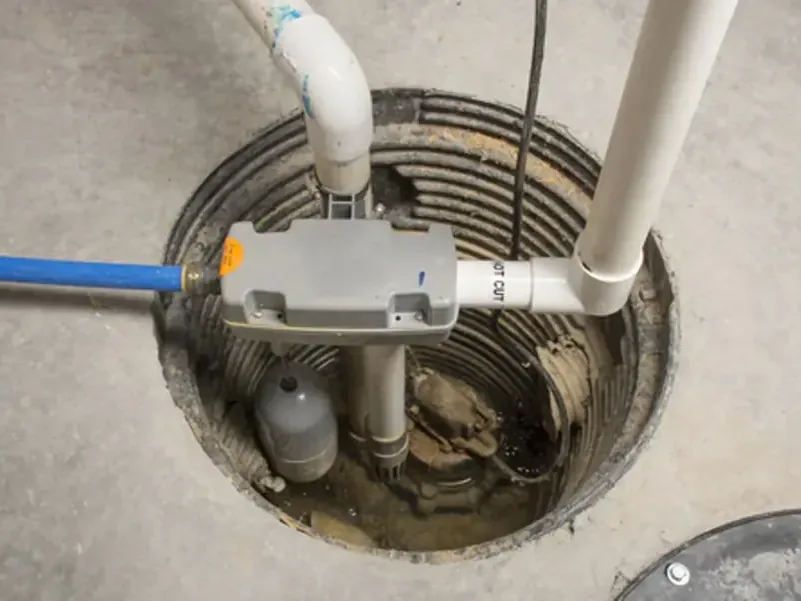
What a proper sump pump failure cleanup job takes in Englewood
Cause checked, not assumed
The crew looks at the pit, float and discharge pipe so the cleanup addresses what actually let the water in. That prevents repeat flooding.
Groundwater handled as gray
Treating the water with caution protects the crew and the household, and it guides which materials come out.
Dehumidifiers do the heavy work
Lower levels trap humidity, so drying leans on dehumidification and measured readings and not only fans. That saves rework.
Records kept for the claim
Photos, readings and a summary are bundled for the adjuster, including notes on the pump failure. That ends disputes.
What to do right now about sump pump failure cleanup
- Identify the failure and the water. The crew finds how water got in, checks depth and category, and makes the area safe to work. Panels are checked for safety.
- Pump out and extract. Pumps empty the area, and extractors lift the rest from floors, cavities and low corners. Pit water is removed last.
- Remove soaked finishes. Carpet, padding and drywall that cannot dry are cut out and bagged. Bags go out immediately.
- Dry and verify. Equipment runs until concrete, plates and walls read dry, and the log is saved. Photos support the file.
What does sump pump failure cleanup cost in Englewood, CO?
Sump pump failure cleanup in Englewood typically costs $1,000 to $14,000. An unfinished floor is the low end, a finished space costs more, and long or mixed water events cost the most. A written estimate follows the inspection. Pit work is extra.
Unfinished floor
- Pump-out and extraction and pit checked
- Concrete dried
- Pit inspected
Finished basement
- Carpet and drywall removed across the floor
- Longer equipment run
- Moisture mapping
Long or mixed water
- Repeated or deep flooding in the lower level
- Heavy material removal
- Extended drying after repeated events
What moves the number most:
- The water category: clean, gray or black water
- Square footage and how many levels got wet
- Material class: carpet, drywall, hardwood or a concrete slab
- How many hours passed before drying started
Ranges are typical, not a quote. The water damage cost calculator gives a closer range for your own rooms.
Sump Pump Failure Cleanup, step by step
On every Englewood job, moisture gets mapped before any equipment goes down, and the equipment stays until the readings say dry.
Call and stabilize
The caller describes the water and whether power to the space is off, and the technician explains how to limit further spread.
Inspect the pit and the water
The crew checks the pump, float and discharge pipe, measures depth, and decides whether the water is clean or gray.
Pump out and remove
Water is extracted in stages, and soaked padding and low drywall are cut out so the structure can start to release moisture.
Dry and document
Dehumidifiers and air movers run with readings logged, and the final report goes to the homeowner and the carrier.
A sump pump is quiet until the day it stops. When the motor burns out, the float sticks or the power drops in a storm, groundwater and runoff move into the lowest part of the house, and the cleanup starts with getting that water out. Every wet season tests the system, and a pump that struggles in spring may quit on the heaviest day.
How sump pump failures happen
Most failures trace back to a few causes. A switch jams, debris blocks the intake, a discharge pipe freezes or clogs, or the electricity goes out exactly when the ground is wettest. Heavy rain and spring snowmelt stack up the water in the pit, so a weak pump that coped in dry weeks can quit when it matters.
- Stuck or tangled float switch
- Clogged intake or discharge pipe
- Power outage during a storm
- Motor worn out after years of use
What cleanup involves
Groundwater is not always clean, so the crew treats it as gray water until proven otherwise. Pumps and extractors remove the standing water, and carpet, padding and bottom sections of drywall come out when they cannot be dried. The crew checks the pit and the discharge route so the same failure does not repeat after the dry-out. Some homes also need the discharge pipe moved away from the foundation so water does not circle back.
- Standing water pumped out
- Wet padding and drywall removed
- Pit, float and discharge inspected
When a sump pump fails, water keeps arriving until the pit is dealt with. Call now to talk through pumping and drying with a technician.
(888) 532-8620Talk to the pump-out crewDrying and prevention
Concrete, wall plates and framing keep moisture long after the surface looks dry. Dehumidifiers and air movers run until meters read normal, and a backup pump or battery unit is worth asking a plumber about. Related flooding work appears under basement flooding cleanup.
Sump pump failure cleanup across Englewood and the towns nearby
Dispatch runs day and night, and the restoration team works every neighborhood listed on the service area page.
Sump pump cleanup serves Englewood homes near Rotolo Park, Oxford Avenue and Belleview Park, plus ZIP codes 80110, 80111, 80112 and 80113. Nearby streets are covered.
The same service nearby: sump pump failure cleanup in Thornton, Commerce City, Superior.
Related water damage services in Englewood
Sump Pump Failure Cleanup questions, answered
Water still coming in?
A failed pump keeps letting groundwater in until the pit is addressed. One call explains how pumping and drying would work.
(888) 532-8620 Ask about the failed pumpWhat makes a sump pump fail in a storm?
A jammed float, a clogged intake, a frozen or blocked discharge pipe and a power outage are the usual culprits, often arriving during the wettest weather. Float height can matter as much as pump size.
Is groundwater from a sump pit clean?
Not reliably. It can carry soil, bacteria and runoff, so the crew treats it with care and removes porous materials that soaked it up. Groundwater carries soil and bacteria.
Can carpet be saved after a pump failure?
Sometimes, if the water was shallow and removed early. Padding is usually replaced, and carpet that sat in gray water is often discarded. Dry padding is rarely worth keeping.
Does insurance cover sump pump failure?
It depends on the policy, since many require a specific water backup endorsement. Reading the declarations page before the adjuster visit is wise. A water backup endorsement is often an add-on.
Should a backup pump be added?
A plumber can advise on a battery backup or second pump. Restoration crews document the failure, and they leave equipment decisions to the plumber. Battery units keep running during outages.
How is the lower level confirmed dry?
Moisture meters check concrete, wall plates and framing against dry reference readings, and the equipment stays until the numbers match. Ask for a copy of the readings.
Can repeated pump failures damage a house?
Yes. Repeated wetting weakens finishes and raises humidity, which is why the pit and discharge are inspected after each cleanup. A backup battery helps during outages.
Get the lower level pumped out and dry
Call any hour to describe the water, and a technician will explain extraction and drying.
(888) 532-8620Call about the pump failure