Sewage Backup Cleanup in Englewood, CO
Backed-up wastewater is black water and a health concern. Crews remove it, discard contaminated porous materials and sanitize every surface it touched. Protective gear is standard. Cleanup follows strict steps.
(888) 532-8620Call about the sewage backup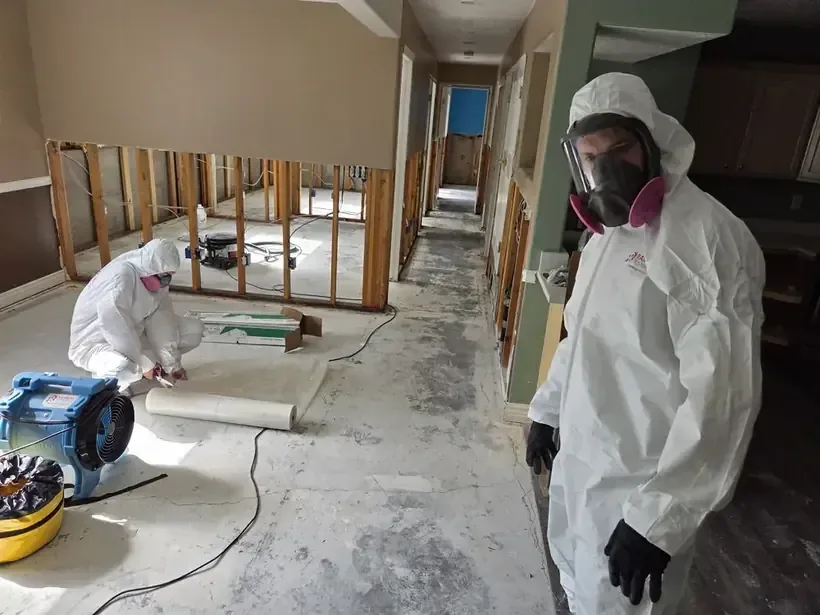
What a proper sewage backup cleanup job takes in Englewood
Black water treated seriously
The crew assumes contamination, uses protective gear and contains the work zone so it does not spread. That limits the risk to everyone.
Porous materials removed
Carpet, padding and drywall that absorbed sewage are discarded, because drying alone cannot make them safe. That protects the household.
Sanitizing before drying
Surfaces are cleaned and treated first, so drying equipment does not circulate contaminated air through the home. That keeps the air cleaner.
Cause documented
Notes on the backup source and photos of the loss help the plumber and the insurance carrier. That speeds repairs.
What to do right now about sewage backup cleanup
- Contain and assess. The crew seals off the affected area, wears protective gear and measures how far the water reached. Doors and vents are sealed with plastic.
- Extract and remove. Contaminated water is pumped out, and porous materials are cut out and bagged. Debris leaves in sealed bags.
- Clean and sanitize. Floors, studs and hard surfaces are cleaned and treated before any drying equipment goes in. Treated surfaces are left to rest.
- Dry and clear. Dehumidifiers and air movers bring the structure to target, and readings are logged. Final readings go to the claim.
What does sewage backup cleanup cost in Englewood, CO?
Sewage backup cleanup in Englewood usually costs $2,000 to $25,000. A contained backup is the low end, finished space costs more, and a large backup spreading through several rooms costs the most.
Contained backup
- One area affected with protective gear
- Black water extracted and carried out
- Surfaces sanitized and rinsed
Finished basement
- Carpet and drywall discarded and bagged
- Cleaning and sanitizing and treated
- Drying program with air scrubbers
Large backup
- Several rooms contaminated in each room
- Heavy removal removed in sections
- Extended monitoring and tracked
What moves the number most:
- The water category: clean, gray or black water
- Square footage and how many levels got wet
- Material class: carpet, drywall, hardwood or a concrete slab
- How many hours passed before drying started
Ranges are typical, not a quote. The water damage cost calculator gives a closer range for your own rooms.
Sewage Backup Cleanup, step by step
On every Englewood job, moisture gets mapped before any equipment goes down, and the equipment stays until the readings say dry.
Call and safety advice
The caller describes what backed up, and the technician explains which rooms to avoid until the crew is on site.
Containment and inspection
The crew seals the work area, measures the spread, and lists which porous materials have to be discarded.
Removal and sanitizing
Water, soaked materials and debris come out, and every surface the sewage touched is cleaned and treated.
Drying and report
Equipment dries the structure to target, and a written report supports the claim and the repair.
Wastewater from local homes flows to the South Platte Renew treatment plant, but when a backup pushes it into a house, that is a plumbing problem and a cleanup problem. The water carries bacteria, so it needs professional handling. Common triggers include blocked drains, heavy storm loads on the system and aging pipes.
What a backup leaves behind
Sewage soaks carpet, padding, drywall and insulation, and it leaves residue on hard surfaces. Because the water is black water, porous materials that absorbed it are removed instead of dried. Affected floors and walls are then cleaned and treated before drying equipment goes in. Floor drains, tubs and toilets are usually the first places a backup appears, and the lowest fixtures take the worst of it.
- Carpet and padding discarded
- Drywall and insulation removed
- Hard surfaces cleaned and sanitized
Staying safe around contaminated water
Households should stay out of the affected area, keep children and pets away, and avoid running drains or flushing until the cause is found. Crews wear protective gear, contain the work zone and bag contaminated debris. A plumber clears the blockage or repairs the pipe that caused the backup. Once surfaces are clean and dry, final checks confirm that no contaminated material remains behind baseboards.
- Keep people and pets out
- Stop using sinks and toilets
- Let crews contain the area
Sewage in a home is a health concern that grows the longer it sits. Call now to talk through containment and cleanup.
(888) 532-8620Speak with a technicianCleaning, then drying
Only after contaminated materials are out does drying begin. Air movers and dehumidifiers bring the structure to target, with readings logged each visit. Where the loss started from a mainline issue, the work may overlap with basement flooding cleanup.
Sewage backup cleanup across Englewood and the towns nearby
Dispatch runs day and night, and the restoration team works every neighborhood listed on the service area page.
Sewage backup work covers Englewood, from the northwest streets to Hampden Hills apartments and the Belleview Park area, across ZIP codes 80110, 80111, 80112 and 80113.
The same service nearby: sewage backup cleanup in Thornton, Commerce City, Superior.
Related water damage services in Englewood
Sewage Backup Cleanup questions, answered
Water still coming in?
Sewage in the house is a health concern that grows if left alone. A single call explains how cleanup works.
(888) 532-8620 Ask how sewage cleanup worksWhy is sewage called black water?
Sewage carries bacteria and other contaminants, so it ranks as the most hazardous water category. Porous materials it touches are removed, not dried. Protective gear is standard on every site visit.
Can carpet be cleaned after a sewage backup?
Generally no. Carpet and padding absorb contaminated water, so they are discarded, and the floor beneath is cleaned and sanitized. Carpet tack strips are removed too.
Who fixes the blocked pipe?
A plumber clears or repairs the pipe. The restoration crew handles extraction, removal, sanitizing and drying, and the two jobs are coordinated. Coordination keeps the cleanup and the repair in step.
Is it safe to stay in the house?
Keep people and pets out of the affected rooms. Many households stay in clean areas, but the crew can advise based on how far the backup spread. Children and pets stay clear until the crew clears the area.
Does insurance cover a sewage backup?
Often only with a sewer or water backup endorsement. Checking the policy early tells the household what to expect from the adjuster. Ask the carrier about endorsements right away.
What happens to contaminated debris?
It is bagged on site and removed, so the home does not hold sewage-soaked materials while drying and repairs proceed. Disposal follows local rules for bagged waste.
Will the smell go away?
Once contaminated materials are removed and surfaces are sanitized, odor typically drops sharply, and drying finishes the job. Final checks confirm that no odor remains behind baseboards.
Get the sewage cleaned and sanitized
Call any hour to describe the backup, and a technician will explain removal and sanitizing.
(888) 532-8620Call the cleanup crew