Water Extraction in Englewood, CO
Truck-mounted and portable extractors pull standing water from carpet, hard floors and subfloors in older homes and apartment units, so drying equipment works on damp materials instead of soaked ones.
(888) 532-8620Call for water removal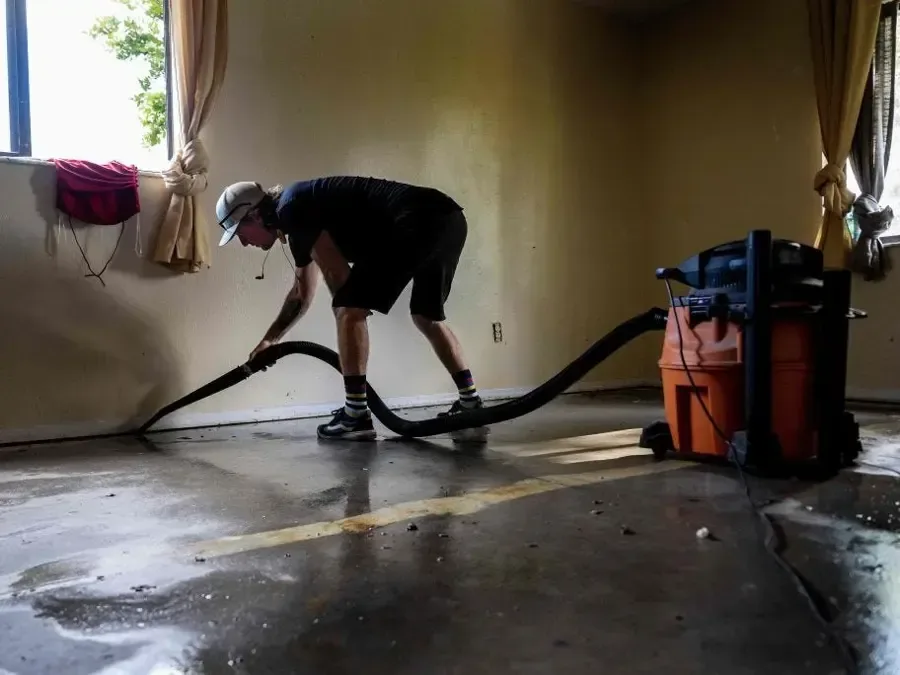
What a proper water extraction and removal job takes in Englewood
Less water, less spread
Every gallon removed early is a gallon that never reaches drywall or framing, so the extraction stage shapes the entire repair bill.
The right tool per surface
Carpet, tile, vinyl and wood each release water differently, so the crew switches between extractors and wands instead of using one method everywhere.
Proof instead of guesses
Readings taken before and after extraction show whether a floor is still wet underneath, which a visual check alone misses.
Clear notes for the claim
Photos, readings and equipment logs are stored together so the insurance file has tidy paperwork.
What to do right now about water extraction and removal
- Find the source and stop it. The crew confirms the water is no longer running and notes where it entered and which rooms it reached.
- Pump and extract the water. Pumps take the deep water first, then extractors and wands lift moisture out of carpet, pad and hard floors.
- Measure what is left. Meters and a thermal camera reveal damp subfloors and wall bases that still need attention.
- Hand off to drying. Equipment is placed for the drying stage, and the starting readings become the baseline for the logs.
What does water extraction and removal cost in Englewood, CO?
Extraction in Englewood typically costs $500 to $1,500 for one room and climbs toward $9,000 for large areas that also need drying. Final pricing follows the water category, the square footage and what the floor is made of.
One room
- Pump or extract a single wet room quickly
- Carpet and pad checked
- Meter readings recorded
Basement or several rooms
- Deeper water and longer pump time
- Multiple rooms mapped
- Padding removal where needed
Large area with drying
- Wide floor area extracted
- Drying equipment added at once
- Return visits for readings
What moves the number most:
- The water category: clean, gray or black water
- Square footage and how many levels got wet
- Material class: carpet, drywall, hardwood or a concrete slab
- How many hours passed before drying started
Ranges are typical, not a quote. The water damage cost calculator gives a closer range for your own rooms.
Water Extraction and Removal, step by step
On every Englewood job, moisture gets mapped before any equipment goes down, and the equipment stays until the readings say dry.
Call and triage
The caller describes the water and where it came from, and a technician explains what to protect while the crew prepares the equipment.
Source and category check
On site, the crew confirms the water has stopped and decides whether it is clean, gray or black, since that choice changes the method.
Extraction pass
Pumps and extractors work room by room, and soaked padding is removed so the floor underneath can finally begin to release water.
Equipment and records
Air movers and dehumidifiers go in, and the starting readings, photos and notes are saved so progress can be shown later.
Extraction is the first real step of any flood response, because every gallon left in a floor keeps feeding humidity into the walls above it. In Englewood, that work often happens in older northwest houses and in the large apartment complexes of Hampden Hills, where water can travel between units.
How extraction works on wet floors
The crew begins by finding the source and confirming the water category. Submersible pumps clear deeper water, then weighted extractors and wand tools lift what remains from carpet, pad and hard surfaces. Moisture meters and a thermal camera show where water traveled past the visible wet spot, which sets the path for the drying equipment. Padding that cannot be saved is cut out and bagged so the subfloor can breathe.
- Submersible pumps for deep water
- Weighted extractors for carpet and pad
- Wand tools for tile and vinyl
- Moisture readings before and after
Older buildings and apartment units
Houses built before 1960 often have layered flooring, plaster and old subfloor boards that hold water longer than newer finishes. Apartment leaks add another wrinkle, since a flooded unit can send water into the one below. Extraction in those buildings includes checking neighboring ceilings and shared walls.
- Layered floors checked for hidden pockets
- Unit to unit paths traced through ceilings
- Shared walls read with a moisture meter
Standing water keeps spreading until it is pulled out. Call now to talk through the situation with a restoration technician.
(888) 532-8620Talk to a technicianAfter the water is gone
Removing standing water does not finish the job. Materials still hold moisture, and the air stays humid until dehumidifiers and air movers pull it out. The same crew usually sets that equipment before leaving, writes down the readings, and comes back to check them so drying ends on numbers instead of guesses. For deeper cases, see structural drying.
Water extraction and removal across Englewood and the towns nearby
Dispatch runs day and night, and the restoration team works every neighborhood listed on the service area page.
Extraction crews work across Englewood, including Hampden Hills, the Rotolo Park area and the older northwest streets, and into ZIP codes 80110, 80111, 80112 and 80113.
The same service nearby: water extraction and removal in Thornton, Commerce City, Superior.
Related water damage services in Englewood
Water Extraction and Removal questions, answered
Water still coming in?
Standing water in a room is already working into floors and walls. A short call sets up pumps and extractors for the job.
(888) 532-8620 Ask how water removal worksCan wet carpet be saved after extraction?
Often it can, if the water was clean and extraction began early. Padding is usually replaced because it traps water, while the carpet itself may be dried in place with air movers. Light furniture can be lifted out and heavy pieces blocked up.
How is extraction different from drying?
Extraction removes liquid water from surfaces and floors. Drying then removes the moisture soaked into materials and the humid air around them, using dehumidifiers and air movers. Both stages are needed to avoid lingering moisture.
Do apartment units need special handling?
Yes. The crew checks the unit below and shared walls for water that traveled, and notes the findings so building managers and carriers can follow the loss. Findings go to the manager.
Which water categories can be extracted?
Clean, gray and black water can all be pumped out, but black water brings extra steps such as removing porous materials and sanitizing the surfaces afterward.
Does furniture have to be moved?
Wet furniture is lifted out or blocked up so the floor beneath can be extracted and dried. Items already soaked are photographed for the claim before being set aside.
How is a floor confirmed dry?
Moisture meters compare the affected floor against a dry reference reading. If the numbers are still high, the crew keeps the equipment running. Written readings are saved for the file.
Does insurance cover water removal?
Coverage depends on the policy and the cause. Sudden events such as a burst pipe are often covered, and the crew's photos and readings support the claim.
Get standing water out before it spreads further
Call anytime to describe the water, and a technician will explain what extraction and drying would involve.
(888) 532-8620Call the removal crew