Water Extraction in Superior, CO
Pumps and wet vacuums remove standing water from floors and carpet, then moisture meters check the walls and subfloor so nothing stays wet behind the finish or under the flooring.
(888) 532-8620Get the water pumped off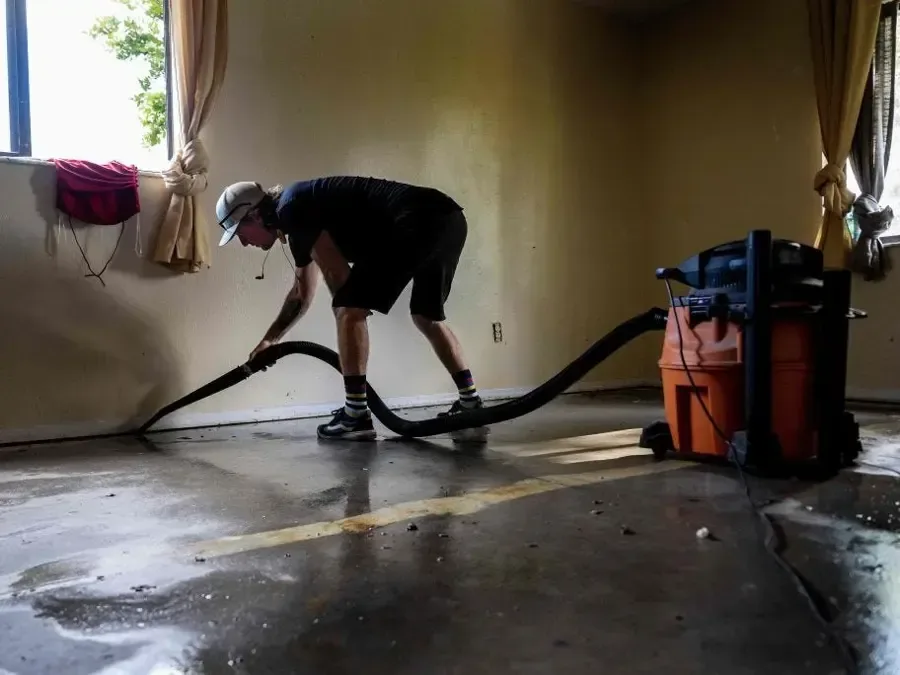
What a proper water extraction and removal job takes in Superior
Pumping limits the spread
Water left standing wicks into baseboards, tack strip and pad. Pulling it off the floor early keeps more of the finish intact and the final bill lower.
Creek history matters
Coal Creek and Rock Creek both flooded in September 2013, and homes near them are where extraction speed counts most.
Water type is checked
Clean, gray and black water are handled differently, so the source is identified before anyone starts pulling up materials or choosing cleaning products.
Readings back it up
Moisture results before and after pumping show what the extraction actually accomplished, and they steer the drying that comes next.
What to do right now about water extraction and removal
- Assess the water. The crew identifies the source and water type, then marks where the water has reached on floors and walls.
- Pump and vacuum. Submersible pumps clear the depth, then wet vacuums work carpet and hard floors until no standing water remains.
- Open and inspect. Pad is lifted, baseboards are pulled where needed, and meters trace the moisture behind them into walls and subfloor.
- Hand off to drying. Air movers and dehumidifiers are set so the structure keeps drying after the water is gone.
What does water extraction and removal cost in Superior, CO?
Extraction alone is the smaller cost: a single room usually runs $500 to $1,500, and a basement or several rooms $1,500 to $4,000. Jobs that also need drying across a large area reach $4,000 to $9,000.
One room
- One room or hallway affected
- Water caught while still standing
- Pad and baseboard checks included
Basement or several rooms
- Water reached several rooms
- Carpet pad usually removed
- Longer pumping and vacuum visits
Large area with drying
- Water soaked a large footprint
- Extra equipment for several days
- Readings tracked until dry
What moves the number most:
- The water category: clean, gray or black water
- Square footage and how many levels got wet
- Material class: carpet, drywall, hardwood or a concrete slab
- How many hours passed before drying started
Ranges are typical, not a quote. The water damage cost calculator gives a closer range for your own rooms.
Water Extraction and Removal, step by step
On every Superior job, moisture gets mapped before any equipment goes down, and the equipment stays until the readings say dry.
Call in
Describe the water, the source and roughly how deep it sits. The crew confirms what to expect, what to move and what should be kept dry.
Site check
Meters and a walkthrough map the wet areas room by room, and the water type is confirmed before the pumps start running.
Extraction
Water is pumped and vacuumed out, pad is lifted, and wet materials are sorted into what can stay and what has to go.
Drying plan
Equipment is placed and readings are logged so the next steps and any insurance paperwork rest on real numbers.
Water that sits on a floor does not stay on the floor. It moves into baseboards, under cabinet kicks and down through carpet pad. In Superior, where Coal Creek and Rock Creek both flooded in September 2013, crews treat every standing-water call as a race against that spread.
How the water is removed
The first pass is bulk removal. Submersible pumps handle deeper water, and wet vacuums take what is left on hard floors and in carpet. Once the surface is clear, the crew lifts or pulls back the carpet and pad, checks the tack strip and baseboards, and uses moisture meters to see how far the water traveled. That reading decides what gets dried in place and what has to come out.
- Submersible pumps for deep water
- Wet vacuums for hard floors and carpet
- Moisture meters on walls and subfloor
- Carpet and pad lifted when needed
What gets saved or removed
Hard flooring, tile and sealed concrete usually come through extraction well. Padding under carpet is the part most often discarded, because it holds water like a sponge. Drywall that sat in water is cut above the water mark, and anything wicking higher is opened so air can reach the cavity. Salvage decisions are made room by room.
- Tile and sealed concrete often stay
- Carpet pad is usually discarded
- Wet drywall is cut above the mark
Standing water still spreading across a floor? A crew can talk through the next steps while the pumps get lined up.
(888) 532-8620Call the pump crew, any hourWhen drying follows pumping
Extraction removes liquid water, not the moisture already in framing, drywall and subfloor. That is why a pump-out alone is rarely the end of the job. Air movers and dehumidifiers follow, and the crew returns to the meters until readings match dry reference materials. Stopping early is how damp wall bottoms turn into odor and staining weeks later.
Water extraction and removal across Superior and the towns nearby
Dispatch runs day and night, and the restoration team works every neighborhood listed on the service area page.
Extraction crews work across ZIP 80027, from Original Town beside Coal Creek to Rock Creek, Sagamore, Calmante and the townhome blocks around Downtown Superior, with rebuilt streets treated like the oldest ones.
The same service nearby: water extraction and removal in Thornton, Erie, Brighton.
Related water damage services in Superior
Water Extraction and Removal questions, answered
Water still coming in?
Not sure what to do with the standing water? Describe the room and the source, and the crew will say what comes next.
(888) 532-8620 Talk through the floodingCan wet carpet be saved after pumping?
Sometimes. Carpet that sat in clean water briefly can often be lifted, dried and reinstalled, but the pad underneath is usually replaced. Contaminated water, or carpet wet for a long time, is normally discarded.
How long does extraction take?
A small spill may need a short visit, while a flooded lower level can call for pumping, vacuuming and a second pass. The footprint and depth of the water set the pace, not a fixed schedule.
Is extraction the same as drying?
No. Extraction removes liquid water, and drying removes the moisture left in drywall, framing and subfloor. Both are needed, and the second one is verified with moisture meter readings.
Does water type change the process?
Yes. Clean water from a supply pipe allows more salvage, while gray or black water means porous materials are removed and surfaces are cleaned and sanitized.
What can be done before the crew arrives?
Turn off power to wet areas if it is safe, stop the source, lift small items off wet floors and take photos first. Household vacuums should never be used on standing water.
Will insurance cover water extraction?
Coverage depends on the cause and the policy, so the insurer decides. The crew records the water, moisture readings and removed materials, which gives the adjuster the details needed.
Is creek flooding handled differently from a pipe leak?
The pumping is similar, but creek water is treated as contaminated, so porous materials are removed more often and the cleaning is more thorough.
Get the water off the floor and the walls drying
Pumping starts the recovery and drying finishes it, so the crew plans both for the house.
(888) 532-8620Call the pump crew