Water Heater Leak Cleanup in Englewood, CO
A failed tank can pour gallons across a floor and into walls in an afternoon. Crews remove the water, open the wet sections and dry the space it reached. Logs are kept.
(888) 532-8620Call about the failed tank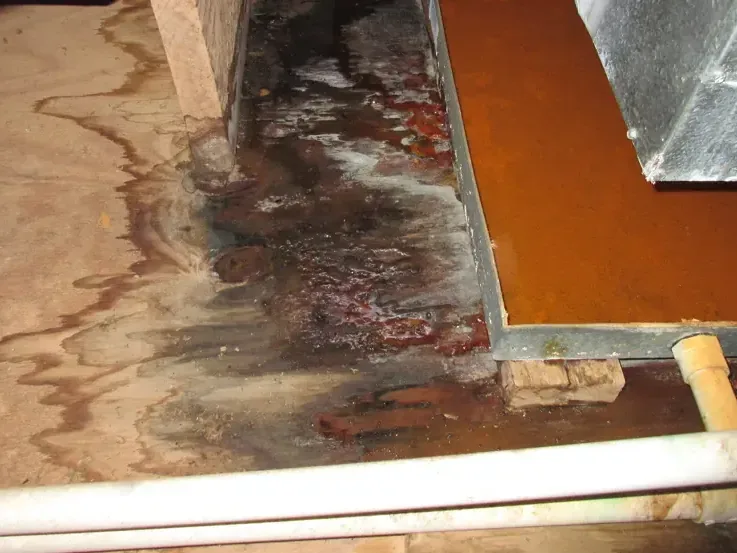
What a proper water heater leak cleanup job takes in Englewood
Spread tracked beyond the utility room
Meters follow water into neighboring rooms, under walls and along baseboards, not only around the tank. That prevents spread.
Clean water, handled quickly
Because tank water is clean at first, early removal keeps more flooring and drywall salvageable. That keeps costs lower.
Slab and tile dried in place
Hard floors are extracted and dried when possible, which avoids unnecessary demolition. That saves rework.
Paperwork prepared
Photos, moisture logs and a summary of the work are kept for the adjuster and the plumber. That ends disputes.
What to do right now about water heater leak cleanup
- Confirm the supply and power are off. The crew checks that water and electricity to the heater are shut off before work starts. The tank valve is checked. Valves are tested.
- Extract the water. Pumps and extractors remove standing water from the floor around the tank and adjoining rooms. Hallways and closets are checked too.
- Remove what cannot dry. Soaked baseboards, drywall and flooring are cut out and bagged. Photos support the claim. Drywall edges are cut straight.
- Dry and verify. Air movers and dehumidifiers run until readings match dry targets. Logs are saved.
What does water heater leak cleanup cost in Englewood, CO?
Water heater leak cleanup in Englewood typically costs $900 to $12,000. A leak confined to a hard floor sits at the low end, water reaching finished space costs more, and a long-running failure costs the most. Pad is extra.
Hard floor only
- Concrete or tile area and floor drains
- Extraction and drying and drained
- Short monitoring
Into finished space
- Carpet and drywall affected across the floor and trim
- Longer equipment run
- Moisture mapping
Long-running failure
- Slow leak over weeks in several rooms and floors
- Heavy removal
- Extended drying
What moves the number most:
- The water category: clean, gray or black water
- Square footage and how many levels got wet
- Material class: carpet, drywall, hardwood or a concrete slab
- How many hours passed before drying started
Ranges are typical, not a quote. The water damage cost calculator gives a closer range for your own rooms.
Water Heater Leak Cleanup, step by step
On every Englewood job, moisture gets mapped before any equipment goes down, and the equipment stays until the readings say dry.
Call and shutoff advice
The caller describes the leak, and the technician explains how to close the supply and keep power away from the wet area. Photos start the file.
Inspection
The crew measures moisture around the tank and in adjoining rooms, and decides what must be removed. Hot water spread is noted.
Extraction and removal
Water is extracted, and soaked baseboards, drywall and flooring are cut out where needed. Wet padding is bagged.
Drying and report
Equipment runs until readings reach target, and a report supports the claim and the plumber's work. Both trades get the readings.
A leaking water heater can soak floors and walls fast. The water often starts small, pooling at the base of the tank, then spreads under flooring and into baseboards, drywall and neighboring rooms before anyone sees it. Garage and utility room leaks are common, and the water follows slab cracks and wall bases into nearby rooms.
What failing tanks leave behind
Old tanks corrode, fittings loosen and relief valves drip, and any of those can release large volumes. Because water heaters sit in utility rooms, garages and closets, the water often runs under walls into carpet, hallways and storage. Hot water adds steam damage to nearby materials. Rust-colored water around the base, a hissing sound or damp drywall nearby are common signs that a tank is starting to fail.
- Corroded tank seams
- Loose or failed fittings
- Dripping relief valves
- Slow leaks hidden behind walls
Extraction and removal
The first job is confirming the supply and power to the heater are off. Then pumps and extractors remove the pooled water, and baseboards, drywall and flooring that absorbed it are cut out if they cannot dry. Concrete slabs and tile can usually be dried in place. Carpet pad that sat in water is replaced, while the carpet itself is dried when the water was clean.
- Supply and power confirmed off
- Standing water extracted
- Wet baseboards and drywall removed
A failing tank can keep soaking floors and walls until it is shut off and dried. Call now to talk through the next move.
(888) 532-8620Call the drying crewDrying and replacement
Air movers and dehumidifiers dry the space, and the crew logs readings until walls and floors reach target. A plumber replaces the tank or fitting. Related work on hoses and appliances appears under appliance leak water damage. A small utility room leak is usually simple, while a leak that reaches finished floors takes longer.
Water heater leak cleanup across Englewood and the towns nearby
Dispatch runs day and night, and the restoration team works every neighborhood listed on the service area page.
Water heater leak work covers Englewood, from older northwest streets to Hampden Hills apartments, across ZIP codes 80110, 80111, 80112 and 80113. Nearby streets are covered.
The same service nearby: water heater leak cleanup in Thornton, Commerce City, Superior.
Related water damage services in Englewood
Water Heater Leak Cleanup questions, answered
Water still coming in?
A leaking tank keeps soaking floors and walls. A single call explains how extraction and drying work.
(888) 532-8620 Ask about the water heaterWhat causes a water heater to leak?
Corroded tanks, loose fittings and dripping relief valves are the common causes, and any of them can release enough water to soak a floor. Hot water can warp trim. Age is the biggest factor, since sediment builds up over years.
Can hardwood or laminate be saved?
Sometimes, if water is removed early and the boards are dried. Laminate that swelled usually has to be replaced. Tile and concrete dry well.
Is hot water more damaging?
Hot water adds steam to nearby materials, which can loosen adhesives and warp trim. Drying plans account for that. Steam can loosen adhesives.
Does insurance cover water heater leaks?
Sudden failures are often covered, but gradual leaks may not be. Photos and plumber invoices help the adjuster. Keep the invoice from the plumber. Photos of the tank label can also help.
Who replaces the tank?
A plumber installs the new unit. The restoration crew handles extraction, removal and drying, and coordinates with the plumber. Old tanks fail more often.
Can slow leaks cause hidden damage?
Yes. A slow leak can soak flooring and the wall base for weeks, so meters check areas that look dry. Check the floor for swelling. Soft baseboards are a clue.
Does the carpet need to be pulled?
If the carpet sat in water, the pad is usually discarded, and the carpet may be dried in place if the water was clean. Pad is cheaper to replace than to dry.
Get the soaked floor dried out
Call any hour to describe the tank leak, and a technician will explain removal and drying.
(888) 532-8620Call about the tank leak