Storm Water and Flash Flood Cleanup in Superior, CO
Runoff and creek water are pumped out of the house, affected rooms are cleaned and sanitized, and the structure is dried with readings kept for the insurer.
(888) 532-8620Clear the storm water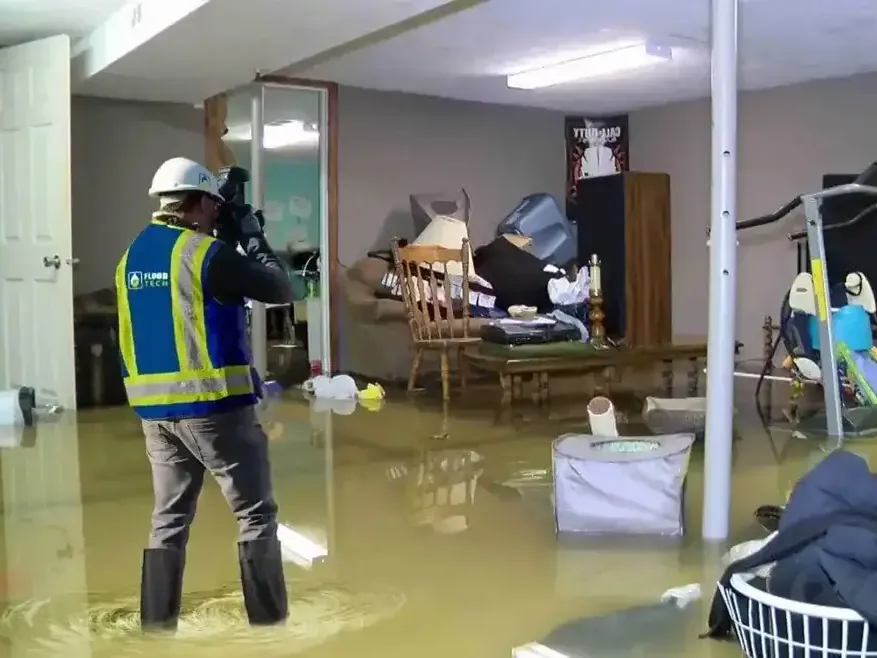
What a proper storm water and flash flood cleanup job takes in Superior
Floodwater is contaminated
Water from creeks and streets carries bacteria and debris, so the cleanup is stricter than for a clean supply leak.
Creek history is local
Coal Creek overflowed and lapped at the front steps of Town Hall in 2013, so creek-fed flooding is part of the town's record.
Cleaning comes before drying
Equipment is placed only after contaminated materials are out, which keeps contamination from moving through the house.
Records matter for flood claims
Photos, readings and removal lists help an insurer see the scope of a large loss.
What to do right now about storm water and flash flood cleanup
- Pump out the water. Submersible pumps clear deep water from the lower level or yard entry, and wet vacuums remove what remains on the floors.
- Remove and discard. Contaminated carpet, pad, insulation and soft drywall are bagged and carried out of the house so nothing contaminated stays behind.
- Clean and sanitize. Surfaces and framing are scrubbed and treated with antimicrobial products, then dried with air movers and dehumidifiers on a monitored schedule.
- Verify and record. Readings are logged until materials are dry, and photos, removal lists and notes are compiled for the claim and the repair contractor.
What does storm water and flash flood cleanup cost in Superior, CO?
A flood through one entry point often costs $2,000 to $6,000, a finished basement runs $6,000 to $15,000, and deep flooding that reaches several rooms can cost $15,000 to $35,000 because of the heavy removal and cleaning.
One entry point
- Water entered through one door
- Floor and wall base cleaned
- Standard drying equipment
Finished basement
- Carpet and drywall discarded
- Surfaces sanitized throughout
- Longer monitored drying
Deep flooding
- Several rooms or levels flooded
- Heavy removal and disposal
- Extended drying and cleaning
What moves the number most:
- The water category: clean, gray or black water
- Square footage and how many levels got wet
- Material class: carpet, drywall, hardwood or a concrete slab
- How many hours passed before drying started
Ranges are typical, not a quote. The water damage cost calculator gives a closer range for your own rooms.
Storm Water and Flash Flood Cleanup, step by step
On every Superior job, moisture gets mapped before any equipment goes down, and the equipment stays until the readings say dry.
Call about the flooding
Describe where the water entered, how deep it is and whether it is still rising. The crew explains safety steps and what to photograph first.
Assessment
Technicians measure the water mark, check outlets and appliances, and map the affected rooms and materials with moisture meters.
Pump, clean and dry
Water is removed, contaminated materials are discarded, surfaces are cleaned and sanitized, and then drying equipment is placed and monitored.
Records and closeout
Readings, photos and removal notes are compiled so the insurer and the repair contractor have everything that they need to move ahead.
Coal Creek and Rock Creek both flooded in September 2013, and the damage centered on Rock Creek, Coal Creek and Old Town Superior. Storm flooding in town can come from creek overflow or heavy runoff, and either way the water entering a house is treated as contaminated.
What storm water brings with it
Floodwater runs over streets, yards and drains before it enters a house, so it carries soil, bacteria and debris. That changes the cleanup. Carpet, pad and insulation are usually discarded, hard surfaces are scrubbed and sanitized, and the crew keeps people out of the wet area until the contaminated water is gone.
- Soil and debris removed with the water
- Carpet and pad usually discarded
- Hard surfaces scrubbed and sanitized
- Wet area kept clear of occupants
How the cleanup is sequenced
Pumps clear deep water first, then wet vacuums work the floors. After removal, walls are inspected for water marks and moisture, and drywall is cut where it absorbed floodwater. Only after cleaning does drying equipment go in, because moving air through dirty cavities spreads contamination.
- Pumps for deep standing water
- Wet vacuums for the remaining film
- Drywall cut where floodwater wicked
- Cleaning before drying equipment
Storm water coming into the house? Stay out of deep water and describe the flooding so the crew can plan the full response.
(888) 532-8620Reach a flood crewDocumentation after a flood
Flood losses involve large claims and many questions, so records matter. The crew photographs the water mark and each damaged room, logs readings daily, and lists what was removed. Homeowners should check flood coverage in their own policy, since standard homeowner coverage often treats creek flooding differently.
Storm water and flash flood cleanup across Superior and the towns nearby
Dispatch runs day and night, and the restoration team works every neighborhood listed on the service area page.
Storm flood cleanup covers ZIP 80027, including Original Town and the Coal Creek and Rock Creek corridors, plus Sagamore, Calmante, Summit and every other neighborhood in town.
The same service nearby: storm water and flash flood cleanup in Thornton, Erie, Brighton.
Related water damage services in Superior
Storm Water and Flash Flood Cleanup questions, answered
Water still coming in?
Flooding from a storm or the creek? Describe what the water reached, and the crew will explain the cleanup and drying plan.
(888) 532-8620 Plan the flood cleanup in SuperiorIs flood water from a creek safe?
No. Creek and runoff water can carry bacteria, chemicals and debris, so contact is avoided. Protective gear is used, and porous materials that were soaked are usually discarded.
Does homeowners insurance cover flood damage?
Standard homeowner policies often exclude flood water, which usually needs separate flood coverage. The crew documents the loss either way so the policy can be checked accurately.
What did the 2013 flood do in town?
Coal Creek overflowed and lapped at the front steps of Town Hall, and the town estimated roughly $200,000 to $300,000 in damage to public property from the 2013 floods.
Why is cleaning done before drying?
Moving air across dirty surfaces spreads contamination. Cleaning and removal come first, so the drying equipment works on materials that can safely stay in the house.
Can the drywall be saved?
Drywall that wicked floodwater is usually cut out, because it is porous and contaminated. If the water stayed low and brief, meters may show a smaller section can be removed.
How long until the house is dry?
That depends on how deep the water was and what it soaked. Drying continues until readings confirm that materials are dry, not until a set number of days passes.
What should be photographed first?
Photograph the water mark on walls, each damaged room, wet belongings and the way the water entered. Take pictures before anything is moved or thrown out.
Clear the floodwater and dry the house
Contaminated water needs thorough removal, cleaning and drying, and the crew keeps records through every step.
(888) 532-8620Reach the flood crew