Storm Water and Flash Flood Cleanup in Erie, CO
On September 11, 2013, 9 to 12 inches of standing water covered Erie Parkway. The crew handles storm and flash flood water that reaches homes, from silt removal to full drying.
(888) 532-8620Get flood cleanup started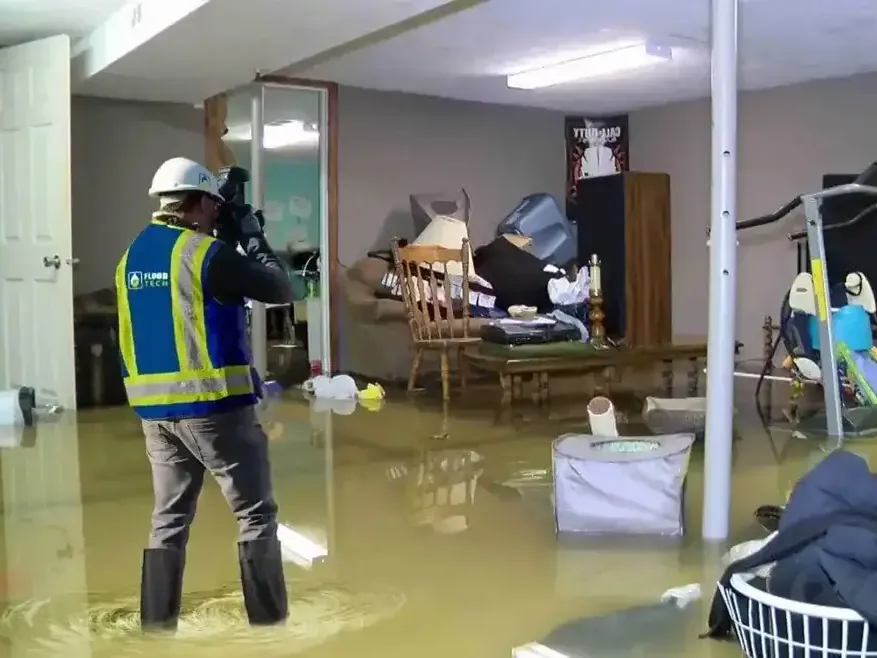
What a proper storm water and flash flood cleanup job takes in Erie
Flood water is contaminated
It crosses yards and drains before entering, so it is handled as contaminated, not clean. That changes what must be removed.
Silt hides in cavities
Fine silt settles inside walls and under flooring, and only a thorough cleaning removes it. Washing before drying matters.
Local history is real
Major floods in 1890, 1921 and 1972, and the 2013 event, show heavy water has reached the area. This history is part of local life.
Coverage rules are different
Flood and storm losses often fall under different coverage, so clear records matter. Separate flood coverage may apply.
What to do right now about storm water and flash flood cleanup
- Stay out of moving water. Do not wade through floodwater, and watch for electrical hazards near outlets. Hidden hazards include debris and slippery silt.
- Turn off power if safe. Switch off the main breaker only if the panel is dry and reachable. Never touch switches while standing in water.
- Photograph the water mark. Take wide and close photos of the high-water mark and damaged items. Keep items that were wet for the adjuster.
- Call a restoration crew. Describe depth, rooms affected and whether the water reached the electrical panel.
What does storm water and flash flood cleanup cost in Erie, CO?
Storm flood cleanup with one entry point often costs $2,000 to $6,000. A finished basement runs $6,000 to $15,000, and deep flooding can reach $15,000 to $35,000. Depth, silt and finishes set the price.
One entry point
- Water came through one spot
- Silt cleared and dried
- Limited tear-out at the entry
Finished basement
- Carpet and drywall removed
- Cleaning and sanitizing
- Longer drying
Deep flooding
- Water reached upper rooms
- Heavy removal and disposal
- Extended drying and cleaning
What moves the number most:
- The water category: clean, gray or black water
- Square footage and how many levels got wet
- Material class: carpet, drywall, hardwood or a concrete slab
- How many hours passed before drying started
Ranges are typical, not a quote. The water damage cost calculator gives a closer range for your own rooms.
Storm Water and Flash Flood Cleanup, step by step
On every Erie job, moisture gets mapped before any equipment goes down, and the equipment stays until the readings say dry.
Call and hazard check
The crew asks about depth, power and the source of the water. Safety answers decide the gear that is loaded.
Pump and contain
Water is pumped out, and barriers go up if contamination could spread. Pumping goes in stages, and discharge is directed away from the home.
Clean out the silt
Porous materials are removed, and silt is washed from floors and cavities. Everything removed is photographed first, and floors are rinsed and cleaned.
Dry and document
Equipment runs with logged readings, and photos support the claim. The homeowner receives the final readings.
Storm flooding differs from a plumbing leak because the water has crossed yards and streets before it gets inside. It brings silt, debris and bacteria, so the water is treated as contaminated, and anything porous that it touched is likely to be removed.
Local flood history
Erie suffered major floods in 1890, 1921 and 1972, and a dike was built around nearby Coal Creek after the 1972 flood. On September 11, 2013, the town was the hardest hit spot in Boulder County, with 9 to 12 inches of standing water across Erie Parkway and flooded basements reported. Heavy water has reached local homes before, and it can again.
- Standing water pumped out
- Silt and debris cleared
- Affected porous materials removed
- Surfaces cleaned and sanitized
What flood water leaves behind
Flood water leaves a layer of silt on floors and inside wall cavities, and it carries bacteria from the ground and drains. Carpet, pad, insulation and low drywall are usually removed. Hard surfaces and framing are cleaned and treated before drying starts, so the structure is not dried with the dirt still in it.
- Silt washed from floors and cavities
- Carpet, pad and low drywall removed
- Framing cleaned before drying
Flood water leaves more silt and bacteria the longer it sits. Call now, any hour, and describe the depth and the rooms involved so the crew can plan pumps and cleaning.
(888) 532-8620Report the flood waterDrying after the flood
Once the structure is clean, dehumidifiers and air movers run until moisture readings return to normal. Flood losses are often handled under separate coverage from ordinary plumbing leaks, so photos and logs matter. The crew documents the water mark and the affected materials, and homeowners should ask the insurance carrier which policy applies. Related work includes sewage backup cleanup.
Storm water and flash flood cleanup across Erie and the towns nearby
Dispatch runs day and night, and the restoration team works every neighborhood listed on the service area page.
Storm flood cleanup covers homes in neighborhoods such as Colliers Hill, Compass, Vista Ridge and Old Town Erie, within ZIP 80516 across Weld and Boulder counties.
The same service nearby: storm water and flash flood cleanup in Thornton, Superior, Brighton.
Related water damage services in Erie
Storm Water and Flash Flood Cleanup questions, answered
Water still coming in?
Flood water leaves silt and bacteria behind. Describe the depth and the crew can plan the right cleaning.
(888) 532-8620 Share the flood depthIs flood water the same as a burst pipe?
No. Flood water crosses ground and drains first, so it carries silt and bacteria, while burst pipe water starts clean. That changes what is removed.
What happened here in 2013?
On September 11, 2013, the town was the hardest hit spot in Boulder County during a flash flood warning, with 9 to 12 inches of standing water across Erie Parkway and flooded basements.
Does homeowners insurance cover flood damage?
Standard policies often exclude surface flooding, while storm-related roof or window failures may be covered. Flood coverage is a separate policy, so ask the carrier.
Can carpet be saved after a flood?
Rarely. Contaminated flood water soaks into carpet and pad, which are usually discarded. Hard flooring can often be cleaned.
How long does flood cleanup take?
Cleaning and removal take days, and drying takes several more, depending on depth and materials. Readings decide the finish.
Is it safe to be in a flooded home?
Not until power is off safely and the water is cleared. Standing flood water can hide electrical hazards and contamination.
What documents help the claim?
Photos of the water mark, lists of removed items and the drying log. Keep receipts for emergency work.
Can flood water damage electrical systems?
Yes. Water that reaches outlets, wiring or a panel needs an electrician to check it before power returns. The crew works around those areas and dries the rest of the structure.
Flood water inside? Get it cleared and dried
Call now and share how high the water reached. The crew will explain removal, cleaning and drying.
(888) 532-8620Request a flood crew