Storm Water and Flash Flood Cleanup in Englewood, CO
Heavy rain runoff can push water through doors, windows and foundations. Crews pump it out and dry the structure it soaked. Records support the claim. Each step is logged.
(888) 532-8620Call about the flooding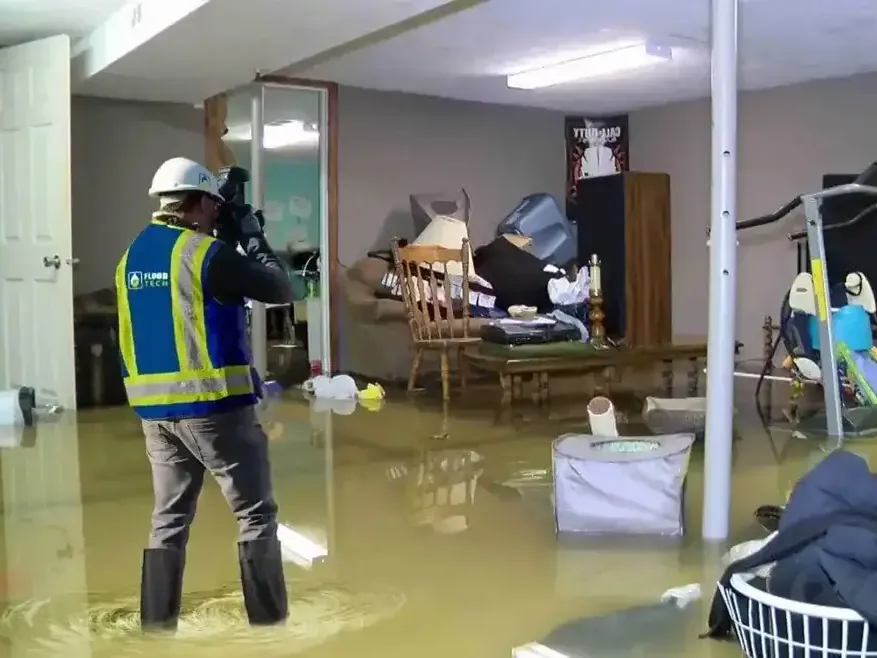
What a proper storm water and flash flood cleanup job takes in Englewood
Storm water treated with care
Runoff carries mud and bacteria, so the crew wears protective gear and removes porous materials that soaked it up. That limits spread.
Pump-out then debris
Water is lowered first, then mud and debris are cleared so floors can be inspected and cleaned.
Drying plan matched to the loss
Dehumidifiers and air movers are sized to the area and the materials, and readings decide when they stop. That prevents repeat damage.
Storm records for the carrier
Photos, readings and notes on how water entered support the insurance claim.
What to do right now about storm water and flash flood cleanup
- Assess the entry points. The crew finds how storm water got in, checks depth and hazards, and makes the area safe to enter. Panels and outlets are checked for safety.
- Pump and clear debris. Pumps remove the water, and mud and debris are cleared from floors and corners. Pumps run in stages.
- Remove soaked materials. Carpet, padding and drywall that absorbed storm water are cut out and bagged. Photos document each room.
- Clean, dry and verify. Surfaces are cleaned, then equipment dries the structure to target readings. Final readings go to the claim.
What does storm water and flash flood cleanup cost in Englewood, CO?
Storm flood cleanup in Englewood generally costs $2,000 to $35,000. One entry point is the low end, a finished lower level costs more, and deep flooding costs the most. Contaminated runoff and long soaking raise the cost further, while a single door entry stays low.
One entry point
- One area affected and rinsing
- Pump-out and cleaning
- Drying equipment
Finished basement
- Carpet and drywall removed across the floor
- Cleaning and sanitizing
- Longer drying
Deep flooding
- Several rooms or levels in the lower level
- Heavy removal
- Extended monitoring after the storm
What moves the number most:
- The water category: clean, gray or black water
- Square footage and how many levels got wet
- Material class: carpet, drywall, hardwood or a concrete slab
- How many hours passed before drying started
Ranges are typical, not a quote. The water damage cost calculator gives a closer range for your own rooms.
Storm Water and Flash Flood Cleanup, step by step
On every Englewood job, moisture gets mapped before any equipment goes down, and the equipment stays until the readings say dry.
Call and hazard check
The caller describes where the water came in, and the technician flags electrical and contamination risks to avoid. Photos start the file.
Inspection
The crew measures water depth and moisture, and decides which materials absorbed contaminated runoff. Mud is bagged for disposal.
Pump-out and cleanup
Water, mud and debris are removed, and soaked materials are cut out and bagged. Storm records follow the claim.
Drying and report
Air movers and dehumidifiers run until readings reach target, and a report is prepared for the claim. Equipment is removed after readings pass.
Heavy rain runoff in the South Englewood drainage basin led to the $23 million South Englewood Flood Reduction Project, and that history shows why storm water cleanup matters in this part of the metro. Heavy rain can still find a way in through doors, windows and low openings even where the drainage has improved.
What the drainage project addressed
The project built stormwater detention ponds on the west side of South Navajo Street, just south of West Radcliff Avenue. Pipe improvements covered the Rotolo Park, Stanford Avenue, South Navajo Street and Oxford Avenue areas, and existing storm pipe on Oxford Avenue was rehabilitated. Pipe capacity was sized for a 25-year storm of 1.66 inches of rain in one hour. A tunnel boring machine installed storm pipe along Stanford Drive and Stanford Avenue, finishing its second run on March 14, 2025.
- Detention ponds near South Navajo Street
- New pipe around Rotolo Park
- Stanford Avenue storm pipe
- Rehabilitated Oxford Avenue pipe
Why cleanup is still needed
The project was designed to reduce flood risk during major storms, including a 100-year storm event, but it cannot stop every roof leak, window well overflow or clogged drain. Storm water that enters a building often carries mud and debris, so the crew treats it as contaminated. Floors are shoveled and rinsed first, then extracted again, so no silt remains under baseboards.
- Runoff through doors and windows
- Overflowing window wells
- Clogged yard drains
Storm water keeps soaking floors and walls until it is pumped out. Call now to talk through cleanup with a technician. Details come first.
(888) 532-8620Reach the storm crewCleanup and drying
Pumps clear the water, mud and debris are shoveled out, and porous materials that absorbed storm water are removed. Dehumidifiers and air movers then dry the framing and floors. For a flooded lower level, see basement flooding cleanup. Mud is not simply swept out; it is bagged, since it carries bacteria.
Storm water and flash flood cleanup across Englewood and the towns nearby
Dispatch runs day and night, and the restoration team works every neighborhood listed on the service area page.
Storm flooding work covers Englewood, including Rotolo Park, Stanford Avenue and Oxford Avenue, and ZIP codes 80110, 80111, 80112 and 80113. Nearby streets are covered. Streets close by are included.
The same service nearby: storm water and flash flood cleanup in Thornton, Commerce City, Superior.
Related water damage services in Englewood
Storm Water and Flash Flood Cleanup questions, answered
Water still coming in?
Storm water in a building keeps soaking materials until it is pumped out. A call explains how cleanup works.
(888) 532-8620 Ask about the storm cleanupDoes the drainage project prevent all flooding?
No. The project was designed to reduce flood risk during major storms, but roofs, windows and local drains can still let storm water into a home. Storm pipe upgrades also meant carrying more water from upstream areas near Acoma Street south of Tufts Avenue.
Is storm water contaminated?
Often yes. Runoff picks up mud, debris and bacteria, so porous materials it soaks are removed and surfaces are cleaned. Silt and mud are bagged and carried out.
What areas did the project cover?
Pipe improvements covered the Rotolo Park, Stanford Avenue, South Navajo Street and Oxford Avenue areas, along with detention ponds near South Navajo Street. Detention ponds do not stop water from coming through a window well.
Can furniture be saved after a flood?
Solid wood and hard furniture can often be cleaned and dried, while upholstered items that sat in storm water are frequently discarded. Hard furniture is wiped, dried and returned.
Does insurance cover storm flooding?
Standard policies often exclude outside flooding, so flood coverage and the cause matter. The crew's records support whichever claim applies. Flood policies are separate from standard homeowners coverage.
How is the structure dried after a flood?
Dehumidifiers and air movers run with meter checks on walls and floors, and drying ends only when readings reach target. A second pass checks baseboards and wall bases.
What if the water came from a roof or window?
The cleanup is similar, but roof leaks may involve ceilings and insulation, so the crew checks above as well as below. Gutters and downspouts get a look as well.
Get the storm water out and dried
Call any hour to describe the flooding, and a technician will explain pump-out and drying.
(888) 532-8620Call the flood crew