Water Extraction and Removal in Erie, CO
Most extraction calls here start with a leak inside a finished single-family home. The crew pumps and vacuums standing water first, then checks the floors and walls underneath before drying begins.
(888) 532-8620Talk to an extraction crew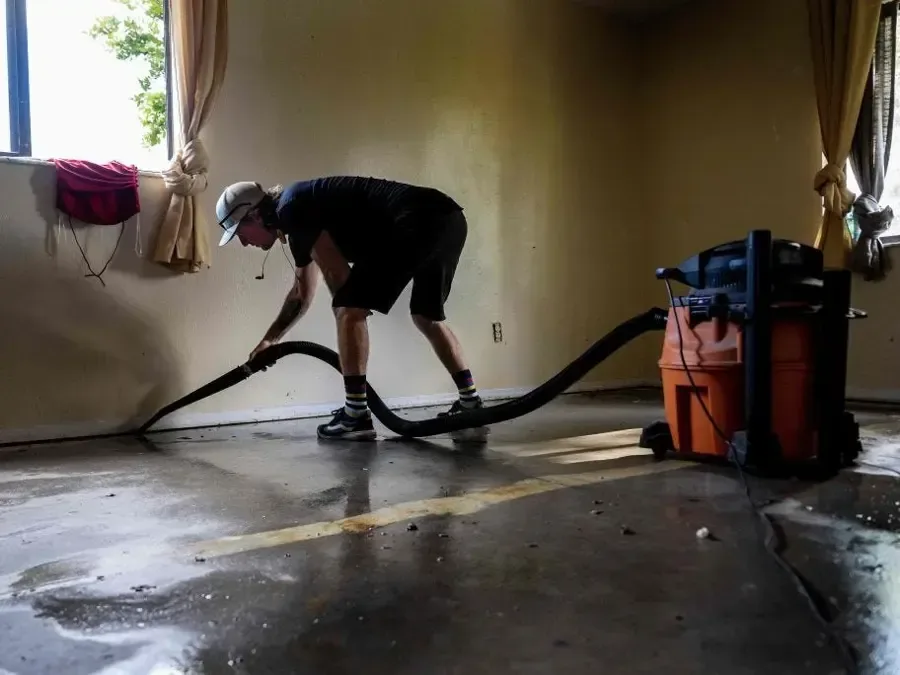
What a proper water extraction and removal job takes in Erie
Water stops spreading sooner
The longer water stays on a finished floor, the more material it reaches. Early extraction limits how much has to be torn out later.
Right pump for the water
A thin film, a few inches or a flooded lower level each call for different equipment, and the crew matches the tool to the depth.
Hidden water gets found
Moisture meters trace water under flooring and inside walls that look dry on the surface.
Records for the claim
Photos, readings and a written scope support the insurance claim from the first visit.
What to do right now about water extraction and removal
- Call and describe the loss. Say where the water came from, how deep it is and which rooms are involved. The answers set the pump and hose size.
- Stop the source. The supply valve, appliance or drain is shut off or isolated before any pumping starts. A plumber can handle a broken pipe.
- Pump and vacuum. Standing water comes out first, then wet vacuums work the floors and edges.
- Map the moisture. Readings show how far the water traveled and where drying equipment should go. Include the water mark on the walls.
What does water extraction and removal cost in Erie, CO?
Water extraction here usually runs $500 to $1,500 for a single room and climbs to $4,000 to $9,000 when a large area needs extraction plus drying. Depth, floor type and how far the water spread set the final number.
One room
- Single wet room or hallway
- Pump or wet vacuum only
- Short drying visit
Basement or several rooms
- Water in more than one room
- Carpet pad usually removed
- Dehumidifiers run for days
Large area with drying
- Whole level or open floor plan
- Extended drying equipment
- Flooring and drywall often cut out
What moves the number most:
- The water category: clean, gray or black water
- Square footage and how many levels got wet
- Material class: carpet, drywall, hardwood or a concrete slab
- How many hours passed before drying started
Ranges are typical, not a quote. The water damage cost calculator gives a closer range for your own rooms.
Water Extraction and Removal, step by step
On every Erie job, moisture gets mapped before any equipment goes down, and the equipment stays until the readings say dry.
Call and triage
The first call sorts the source, water depth and safety concerns so the right pumps are loaded. Safety questions about power come first.
Walkthrough and plan
A technician walks the affected rooms, tests with meters and explains what can be saved. Moisture meters are read in each room.
Extraction work
Water is removed from the lowest point outward, and soaked pad or trim is pulled. Photos are taken before anything is bagged.
Handoff to drying
Air movers and dehumidifiers are placed, readings are logged and a return visit is set. Records are logged for the insurer.
Extraction is the first hands-on step of a wet-floor job. Water left standing keeps wicking into baseboards, subfloors and the base of the drywall, so the crew removes it before anything is opened or dried. Carpet, pad and laminate hold far more than they show.
Why extraction comes first in Erie homes
About 93% of residents live in single-family homes, so a typical extraction job is a leak inside a finished house rather than a commercial space. That means carpet, pad, hardwood and drywall are often involved, and each one holds water differently. The crew checks what is wet before choosing between a truck-mounted unit, a submersible pump or a wet vacuum.
- Submersible pumps for deeper water
- Wet vacuums and wands for floors
- Readings taken under finishes
- Photos of the water before removal
What the crew does on site
The technician finds the source first, because pumping a room that is still filling wastes effort. Once the water is stopped, extraction starts at the lowest point and works outward. Moisture meters then check baseboards, lower drywall and the subfloor to find where water traveled. Those readings set the drying plan.
- Source found and shut off
- Standing water pumped or vacuumed out
- Wet materials flagged for removal or drying
Water standing on a finished floor keeps spreading. Call now and describe the source, the depth and the rooms involved so the crew can bring the right pumps.
(888) 532-8620Ask about standing waterAfter the water is out
Extraction only removes the bulk water. The rest sits in framing, pad and subfloor, where it can only leave as vapor, so air movers and dehumidifiers take over. Soaked carpet pad usually goes to the curb, while hardwood and subfloors are often dried in place when caught early. Photos and readings are kept for the insurance claim. Rebuilding comes after readings confirm a dry structure. Drying then continues under structural drying and dehumidification.
Water extraction and removal across Erie and the towns nearby
Dispatch runs day and night, and the restoration team works every neighborhood listed on the service area page.
Extraction crews work across Erie, from Old Town Erie and Erie Highlands to Colliers Hill, Vista Ridge, Compass and Anthem Highlands, covering ZIP 80516 in Weld and Boulder counties.
The same service nearby: water extraction and removal in Thornton, Superior, Brighton.
Related water damage services in Erie
Water Extraction and Removal questions, answered
Water still coming in?
Standing water spreads into finishes while it waits. Describe the loss and a crew can plan the right pumps.
(888) 532-8620 Request pump equipmentHow deep can water be before pumping is needed?
Even a thin film is worth extracting on finished floors. Deeper water calls for a submersible pump, and the crew picks the tool after checking depth and floor type.
Can carpet be saved after extraction?
Sometimes. Clean water caught early may let carpet dry in place, but the pad underneath is usually replaced because it holds water and dries slowly.
Is extraction the same as drying?
No. Extraction removes liquid water. Drying removes what is left in wood, drywall and concrete as vapor, which takes air movers and dehumidifiers over several days.
What water types can be extracted?
Clean and gray water jobs are routine. Sewage or flood water that carries contamination needs protective gear, different disposal and usually removal of porous materials. Gray water falls in between.
Should furniture be moved before the crew comes?
Lift small items and electronics onto dry surfaces if the room is safe. Leave heavy furniture and wet pad for the crew to handle.
Is extraction needed for a slow leak?
Slow leaks rarely leave standing water, so drying and moisture mapping matter more. Extraction applies when water has pooled or soaked a surface.
What should be photographed first?
The water source, the high-water mark on walls and the damaged items, taken before anything moves. These photos support the insurance claim.
Can extraction start if the power is out?
Often yes. The crew brings its own pumps and power sources, and works around wet outlets with care. Any electrical concern is raised at the first call so the setup is planned safely.
Water on the floor? Get it pumped out and checked
Call now and share the depth and the wet rooms. The crew will explain removal and the drying that follows.
(888) 532-8620Book the extraction crew